Interior Design
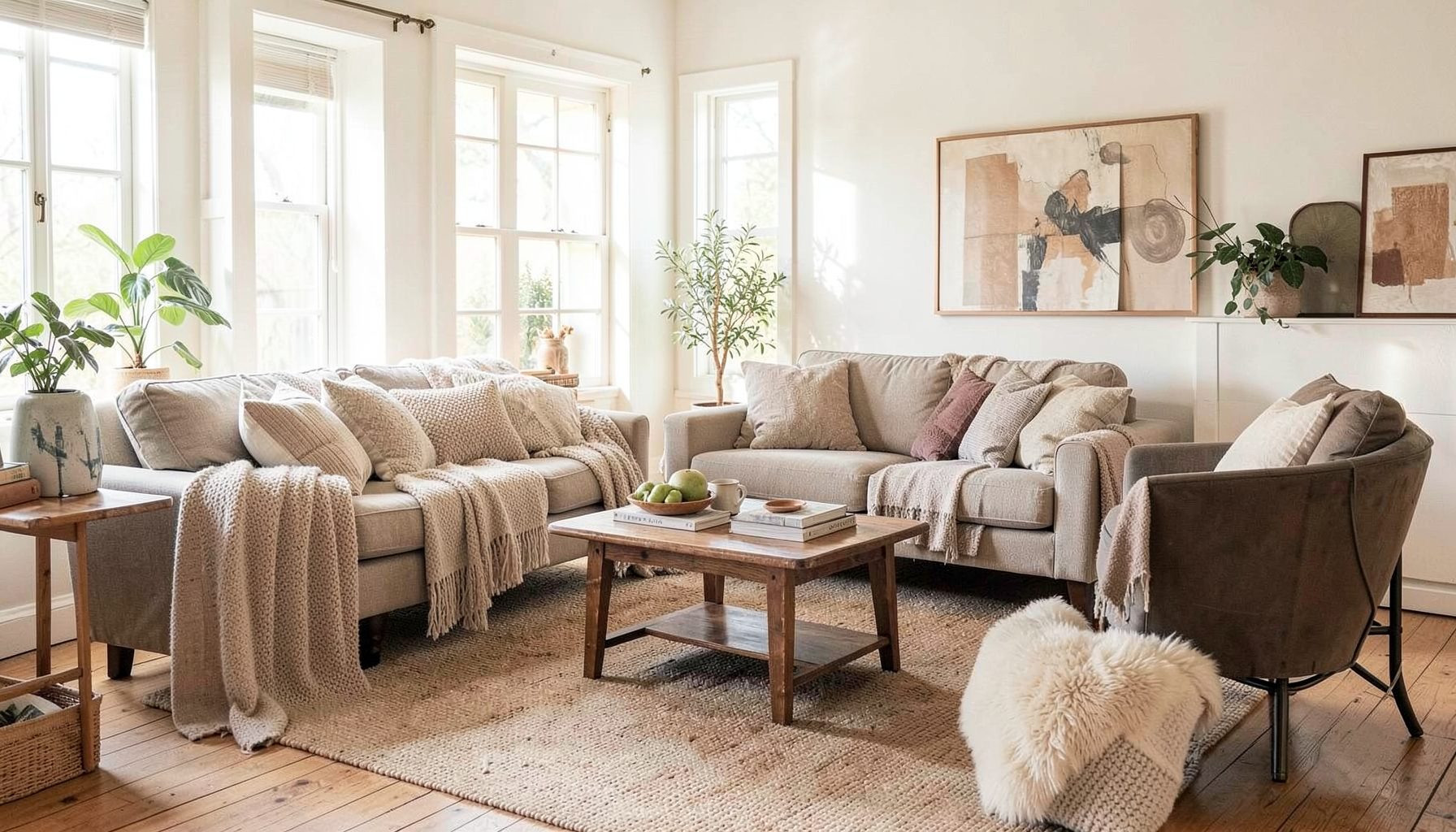
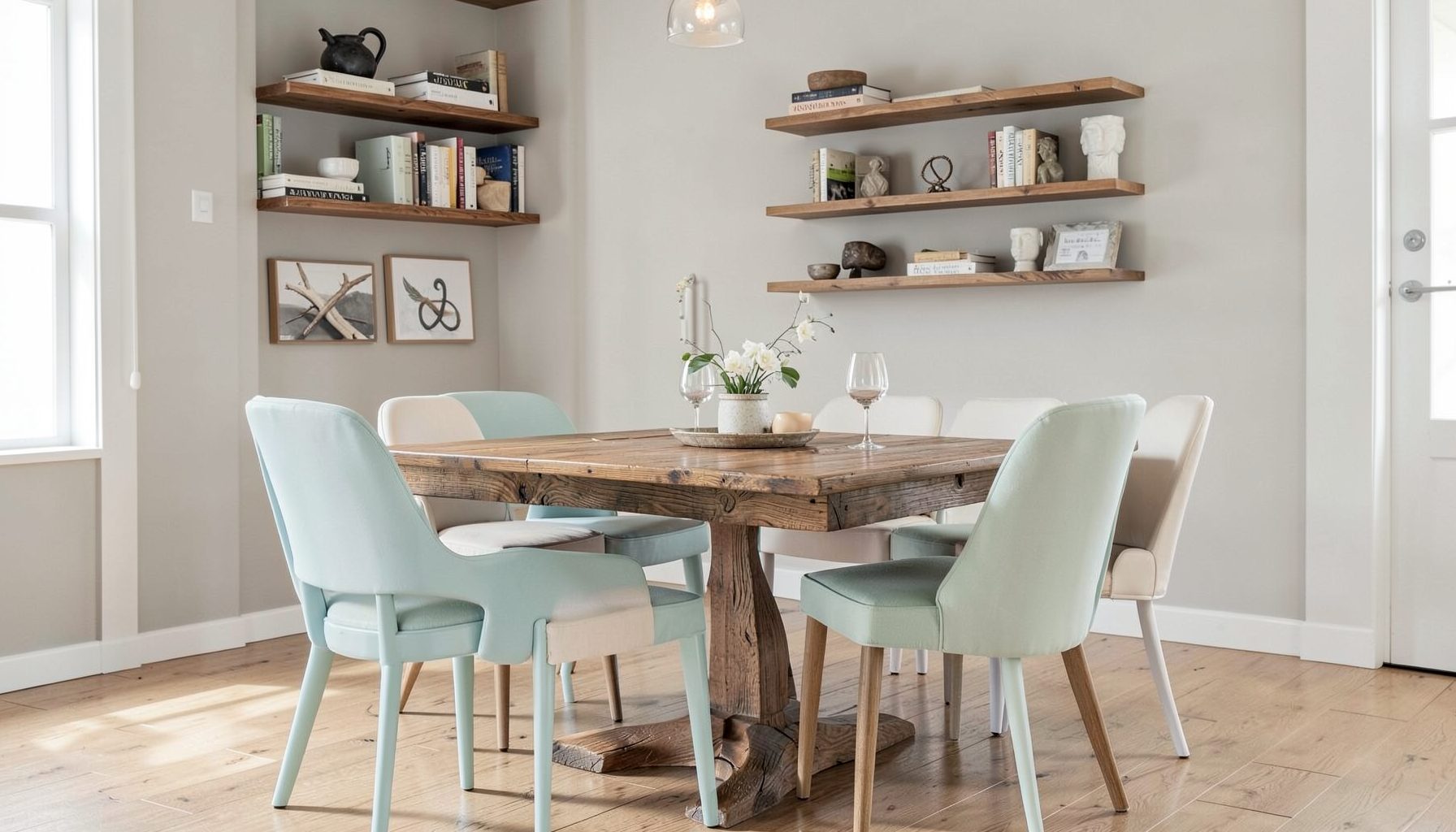
Full-service decorating that blends high and low, vintage finds with modern pieces for spaces that feel personal and collected.
Learn More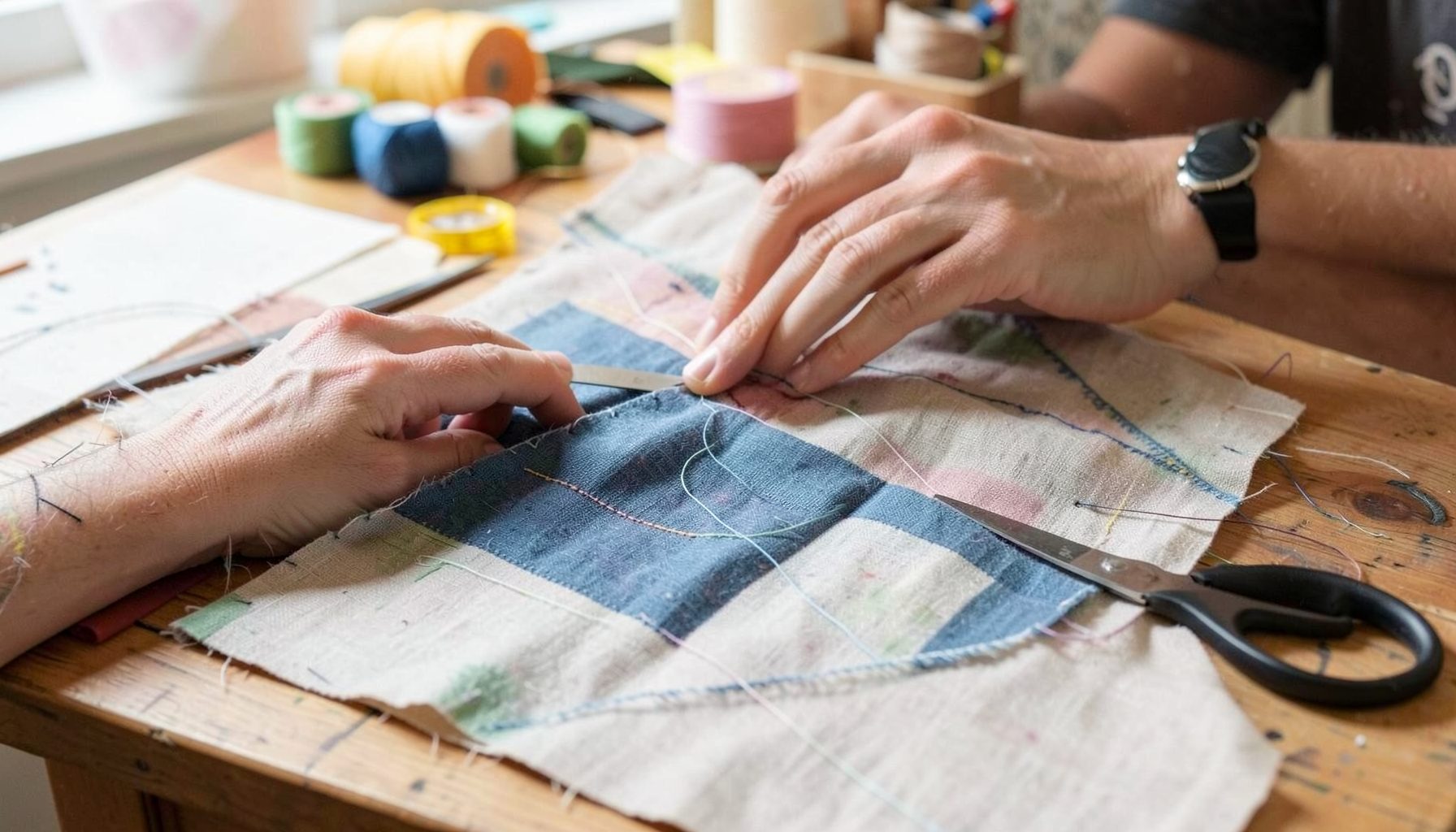
DIY Projects
Step-by-step tutorials for refinishing furniture, sewing pillows, styling bookshelves, and transforming rooms on a budget.
Learn More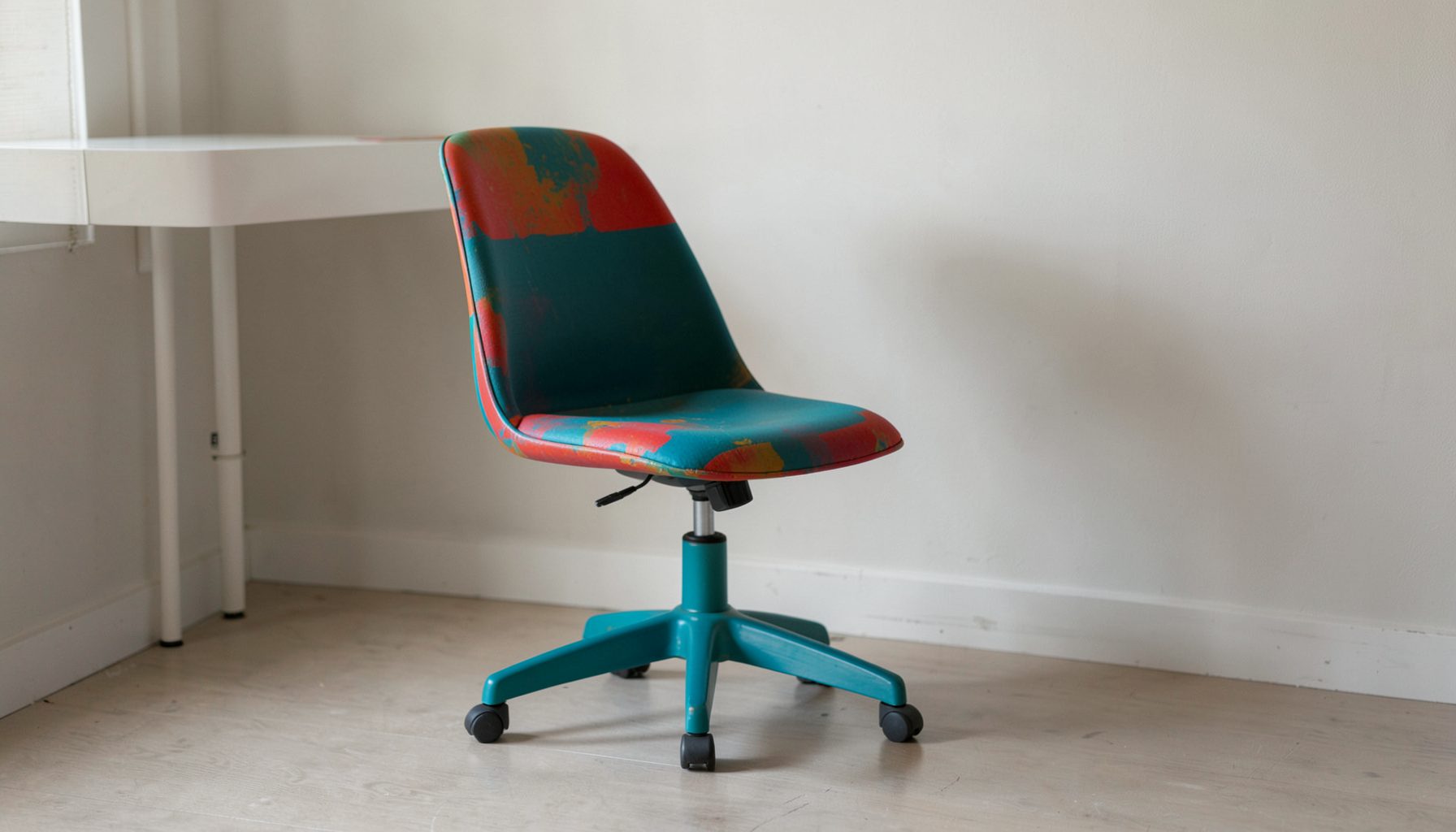
E-Decorating
Personalized design guidance delivered online — perfect for clients anywhere in the world who want a professional eye.
Learn More
Portfolio
Browse completed room makeovers, before-and-after transformations, and styling projects from Bay Area homes.
Learn More
Blog
Interior design inspiration, fashion finds, entertaining ideas, and peeks into real home renovations and styling projects.
Learn More
Downloads
Free curated resources for home decorating and design — guides, checklists, and inspiration to help you get started.
Learn MoreCreating A Collected Kitchen With Character And Function
A collected kitchen feels as though it has evolved over time, even when the renovation is brand new. Open shelving displays everyday pieces, vintage finds bring warmth, and modern appliances keep the room practical for current routines. The result is layered rather than overly matched, with enough contrast to feel personal and enough order to remain easy to use.
This approach works across many homes, from a compact San Francisco apartment to a spacious San Jose kitchen with room for a generous island. The design does not depend on a particular architectural style. It comes from balancing finishes, proportions, materials, and objects that tell a story about the people who live there.
The most successful spaces combine beauty with livability. A handmade bowl can sit beside a streamlined espresso machine, while a contemporary faucet can share the room with an antique stool or a well-loved cutting board. When each choice has a purpose, the kitchen becomes a welcoming part of the home instead of a showroom.
Start With A Practical Kitchen Framework
Before choosing shelves or decorative pieces, consider how the kitchen is used throughout the day. Identify the areas that need to work hardest: the coffee station, food preparation zone, cooking area, cleanup space, and storage for frequently used dishes. Open storage should support these routines rather than interrupt them.
A collected look benefits from a calm foundation. Natural wood, painted cabinetry, stone, plaster, handmade tile, and aged metal can create a backdrop for more distinctive pieces. If every surface competes for attention, vintage objects and colorful ceramics will lose their impact.
Think in terms of visual rhythm. Repeating one material in several places, such as warm brass across lighting, hardware, and a faucet, helps an eclectic kitchen feel intentional. Varying shape and texture within that framework keeps the room from appearing too coordinated.
Use Open Shelves As Working Display
Open shelving is most effective when it holds items that are useful and attractive. Everyday plates, drinking glasses, serving bowls, cookbooks, cutting boards, and small pitchers can create a relaxed display while remaining within easy reach. Reserve the highest shelves for occasional pieces or objects that add height.
The shelf itself should relate to the rest of the kitchen. Thick reclaimed wood introduces character and softness, while a slim painted shelf feels lighter and more tailored. Marble, metal, and glass shelves can suit a modern interior, especially when their color or finish echoes another detail in the room.
Spacing matters as much as the objects. Leave breathing room between stacks, avoid filling every inch, and vary the height of what you display. A small framed print can lean behind a ceramic vessel, while a low stack of plates balances taller glassware nearby. This arrangement creates depth without making the shelves feel cluttered.
Open shelving also requires an honest assessment of maintenance. Items exposed to cooking grease may need regular cleaning, particularly on shelves close to a range. Place less frequently used pieces farther from the cooking zone, and keep a few closed cabinets available for appliances, food packaging, and visually distracting necessities.
Layer Vintage Finds Into The Room
Vintage pieces give a kitchen a sense of memory and individuality. Look for objects with useful forms and durable materials: wooden stools, old bread boards, enamelware, woven baskets, copper molds, stoneware crocks, framed botanical prints, and small antique mirrors. A single distinctive piece can have more impact than a shelf full of generic accessories.
When shopping secondhand, pay attention to scale and condition. A worn finish can be charming, but structural instability, strong odors, or unsafe materials are practical concerns. Wooden boards should be evaluated carefully if they will come into contact with food, and older painted pieces should be handled thoughtfully before bringing them into an active kitchen.
Vintage does not have to mean expensive. Flea markets, estate sales, antique malls, online marketplaces, and thrift stores can all provide useful pieces at varied price points. Maggie Rose Interiors’ guide to designer-looking thrift finds offers a helpful way to consider proportion, finish, and styling value while shopping on a budget.
The key is to mix eras instead of building a themed room. Pair an antique stool with a clean-lined island, place a vintage runner beneath contemporary cabinetry, or display old pottery beside crisp white dishes. Contrast gives the room energy, while repetition in color or material keeps the mix cohesive.
Balance Character With Modern Appliances
Modern appliances provide the performance that makes a kitchen comfortable to use. Induction cooktops, integrated refrigerators, quiet dishwashers, speed ovens, and high-efficiency ventilation can be selected for their function while remaining visually compatible with a collected interior.
Choose appliances according to the room’s visual language. Integrated panels can make large appliances recede into cabinetry, while stainless steel introduces a professional note that works well with aged wood and handmade tile. A range in a distinctive finish may act as a focal point, but it should be supported by quieter surfaces elsewhere.
Small appliances deserve the same consideration. Toasters, mixers, espresso machines, and countertop ovens often remain visible, so their shape and finish become part of the design. Group them in a dedicated zone with a tray, shelf, or appliance garage to maintain order without hiding everything away.
The contrast between old and new should feel deliberate. A contemporary refrigerator may sit comfortably near a farmhouse table when the room includes connecting details, such as a wood cutting board, aged brass pendant, or woven seat. The goal is visual conversation, rather than an attempt to make every appliance look vintage.
| Kitchen Element | Collected Choice | Modern Counterpoint | Design Benefit |
|---|---|---|---|
| Open storage | Reclaimed wood or painted shelves | Streamlined brackets and concealed supports | Adds warmth while preserving a clean profile |
| Dishware | Handmade ceramics and vintage stoneware | Simple white plates and clear glassware | Creates variation without visual overload |
| Lighting | Aged brass or antique-inspired fixture | Dimmable LED technology | Combines atmosphere with practical illumination |
| Appliances | Freestanding range or visible statement finish | Integrated refrigerator and quiet dishwasher | Gives personality to high-performance equipment |
| Seating | Vintage stools or a farmhouse chair | Durable performance fabric or sealed wood | Brings character to hardworking areas |
| Countertop styling | Bread boards, baskets, and pottery | Minimal countertop appliance grouping | Keeps the room useful and visually composed |
Build A Layered Material Palette
A collected kitchen feels richer when several tactile materials work together. Consider the relationship between cabinetry, counters, backsplash, flooring, shelving, hardware, and textiles as a whole. Each finish should contribute something different: softness, reflection, patina, movement, or visual quiet.
Wood is particularly useful because it bridges traditional and contemporary elements. It can appear in open shelves, stools, cutting boards, beams, or a vintage table. Stone adds weight and permanence, while ceramic tile introduces color and craft. Woven runners and linen café curtains soften hard surfaces and add a domestic quality.
Color can be subtle without becoming bland. Start with a base of warm white, mushroom, muted gray, soft olive, dusty blue, or natural wood, then add smaller notes through dishware and artwork. Repeating an accent color three times is often enough to make it feel intentional.
Metal finishes should be coordinated without requiring a perfect match. Aged brass hardware can coexist with stainless appliances, black window frames, and a brushed nickel faucet when the overall palette is balanced. Repetition in shape, such as rounded pendants echoing curved stools, can unify finishes that are technically different.
Style Shelves With Restraint
Begin with the largest pieces and establish a few visual anchors. A stack of serving platters, a tall vase, or a framed artwork can define the composition. Add medium-sized objects next, then finish with small elements such as salt cellars, bud vases, or folded linens.
Grouping similar items creates order. Several white pitchers can read as a collection, while a row of cookbooks can provide color and structure. Mix horizontal and vertical arrangements so the eye moves across the shelves rather than stopping at one dense cluster.
Leave some negative space between groupings. Empty areas make the displayed objects feel considered and allow special pieces to stand out. If shelves appear crowded, remove a few items before adding more containers or decorative accents.
Seasonal changes can refresh the room without a full redesign. Replace a few winter ceramics with woven baskets in warmer months, introduce branches in a tall vessel, or rotate artwork and textiles. Small adjustments preserve the collected character while keeping the kitchen responsive to daily life.
Make The Kitchen Feel Personal
The most convincing interiors include evidence of real habits and interests. Display a cookbook collection that is actually used, a ceramic piece purchased during travel, or a family object with an appealing shape. Personal items bring meaning that cannot be replicated through a shopping list.
Artwork can be especially effective in a kitchen. Small landscapes, still lifes, botanical studies, and vintage food illustrations can fill narrow walls or sit on shelves. Protect valuable pieces from steam and cooking splatter by positioning them away from the range and sink.
Consider how the kitchen connects to adjacent rooms. A woven texture repeated from the dining area, a color shared with nearby upholstery, or a wood tone that continues into the living space can make the entire home feel layered. The kitchen should have its own personality while still belonging to the larger interior.
A useful final edit is to remove anything that feels generic, inconvenient, or disconnected from the household. The collected look is strongest when the room includes fewer meaningful choices instead of many unrelated accessories.
Recommendations For A Collected Kitchen
- Establish the cooking, coffee, and cleanup zones before deciding where open shelves will go.
- Combine one or two vintage focal pieces with mostly simple, hardworking kitchen essentials.
- Repeat key colors and materials across shelving, lighting, hardware, textiles, and dishware.
- Keep frequently used items within easy reach and reserve decorative objects for less active areas.
- Edit displays regularly so shelves remain practical, spacious, and connected to your personal style.
A collected kitchen does not need to be assembled all at once. Start with the pieces that already have meaning, then add modern improvements and decorative layers slowly. This creates a room with genuine depth, where an old wooden bowl, a new appliance, and a favorite piece of art can share the same visual story.
For a kitchen that feels polished yet personal, thoughtful layering is more valuable than perfect matching. Explore the design resources and project inspiration from Maggie Rose Interiors, or reach out for personalized guidance in shaping a kitchen that reflects the way you live.

Recent Projects