Interior Design
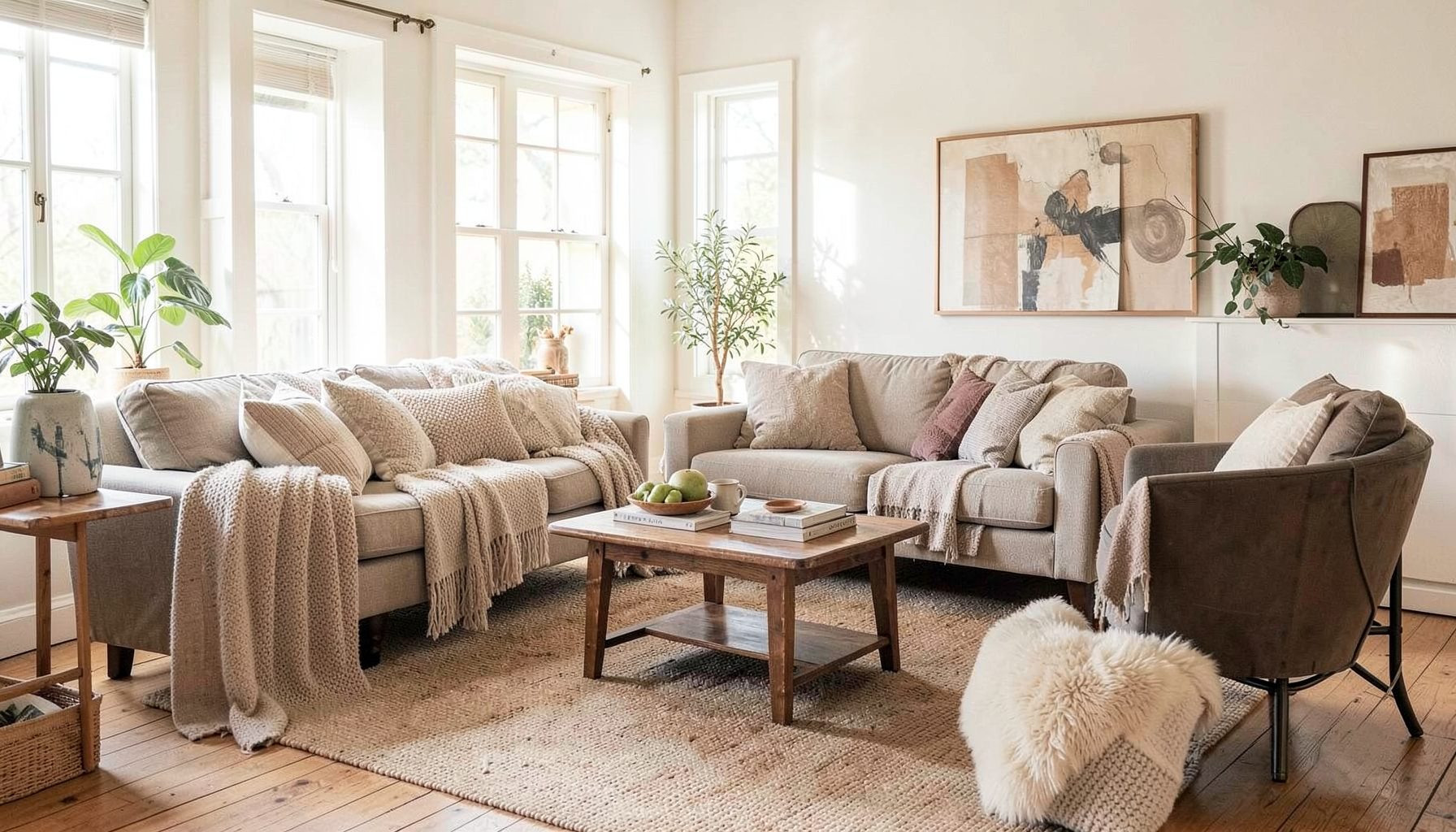
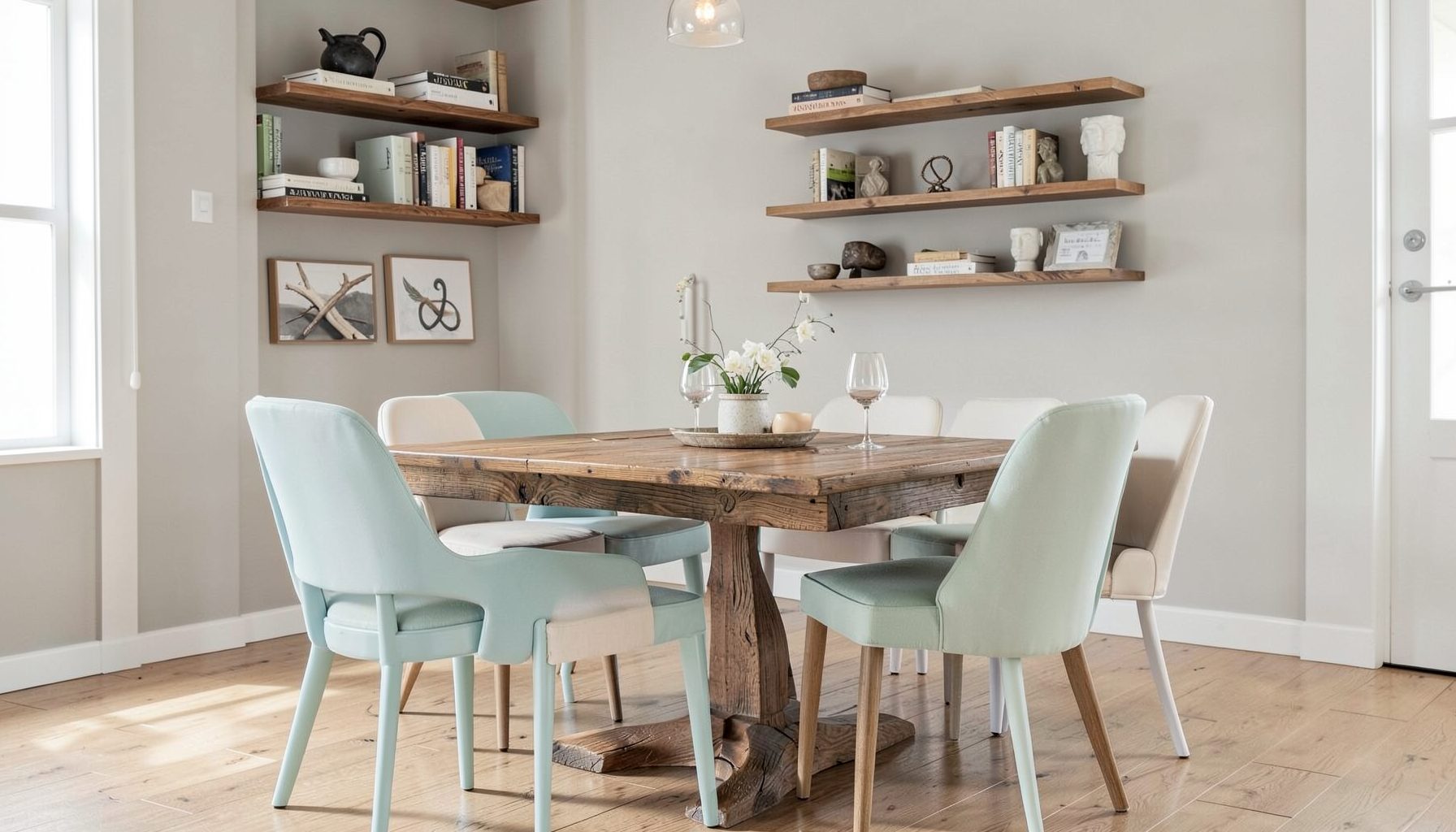
Full-service decorating that blends high and low, vintage finds with modern pieces for spaces that feel personal and collected.
Learn More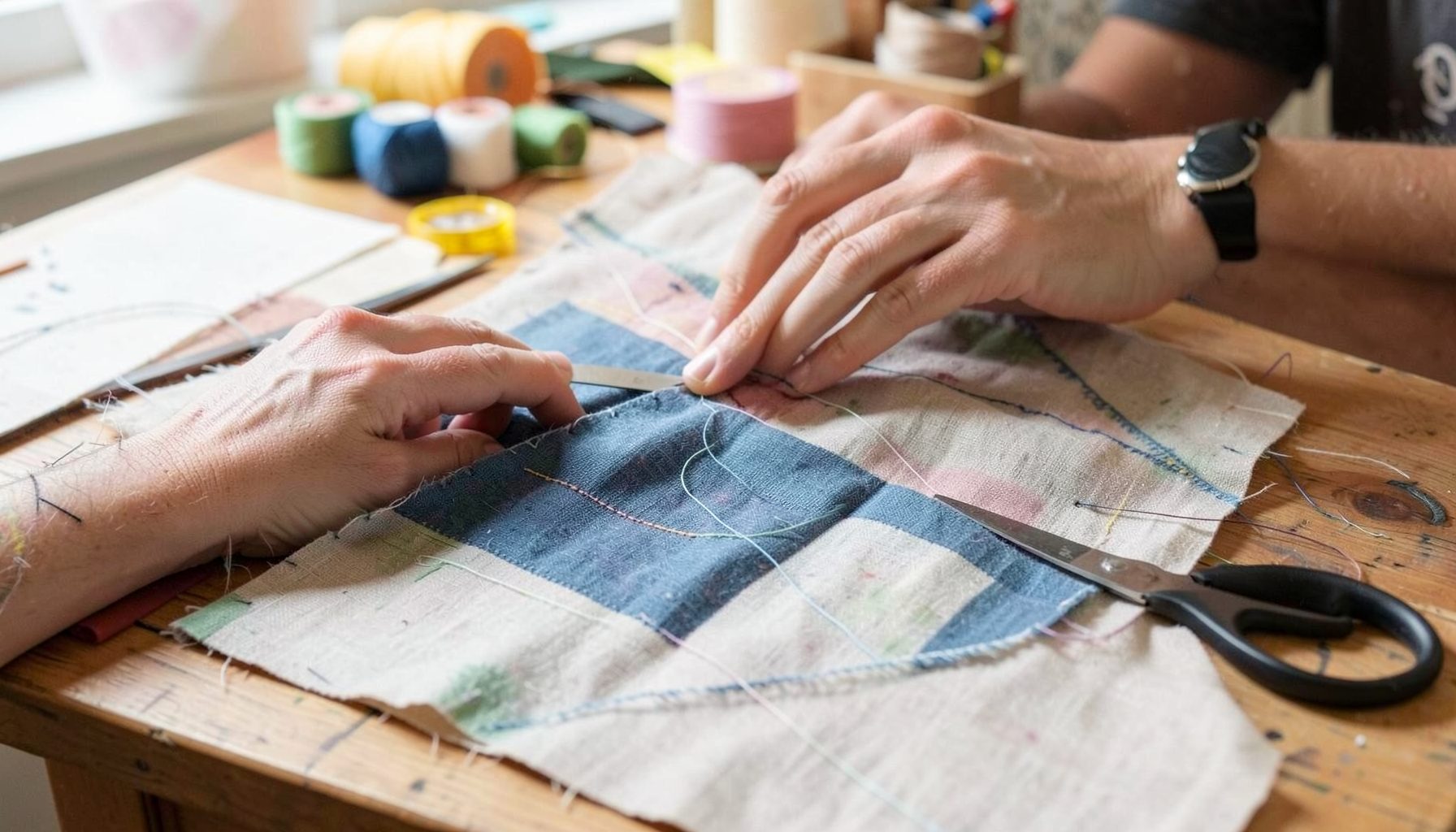
DIY Projects
Step-by-step tutorials for refinishing furniture, sewing pillows, styling bookshelves, and transforming rooms on a budget.
Learn More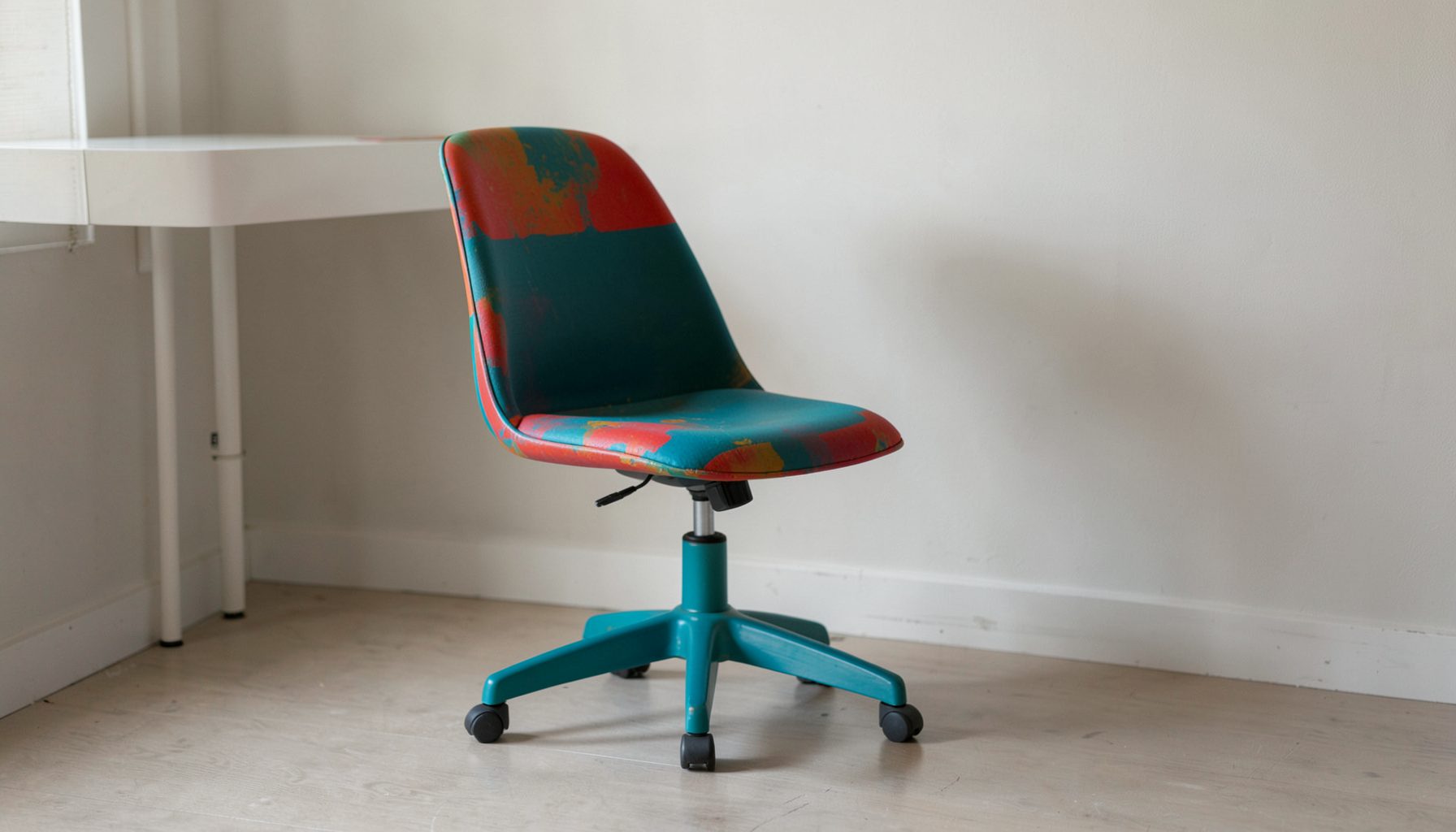
E-Decorating
Personalized design guidance delivered online — perfect for clients anywhere in the world who want a professional eye.
Learn More
Portfolio
Browse completed room makeovers, before-and-after transformations, and styling projects from Bay Area homes.
Learn More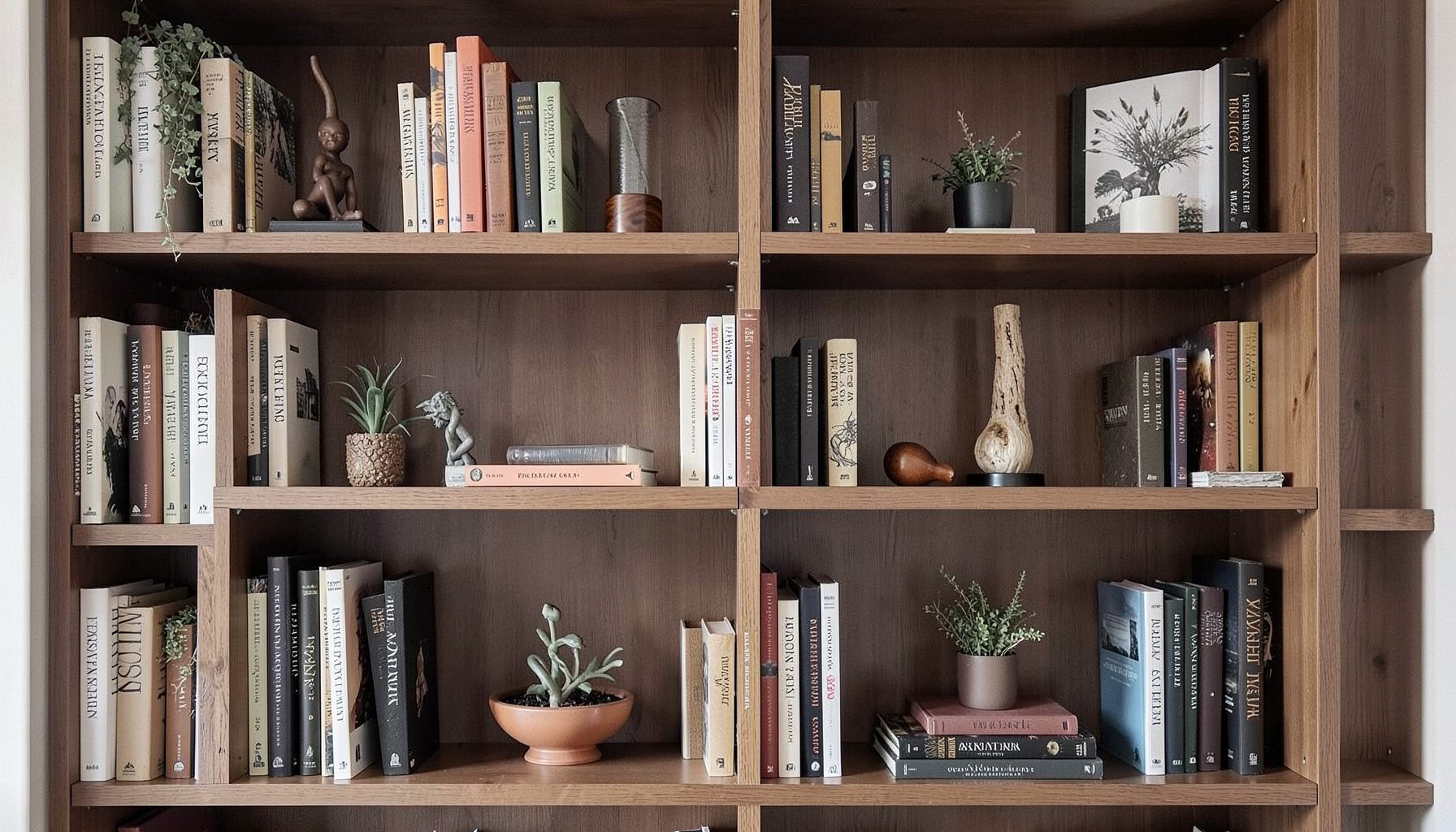
Blog
Interior design inspiration, fashion finds, entertaining ideas, and peeks into real home renovations and styling projects.
Learn More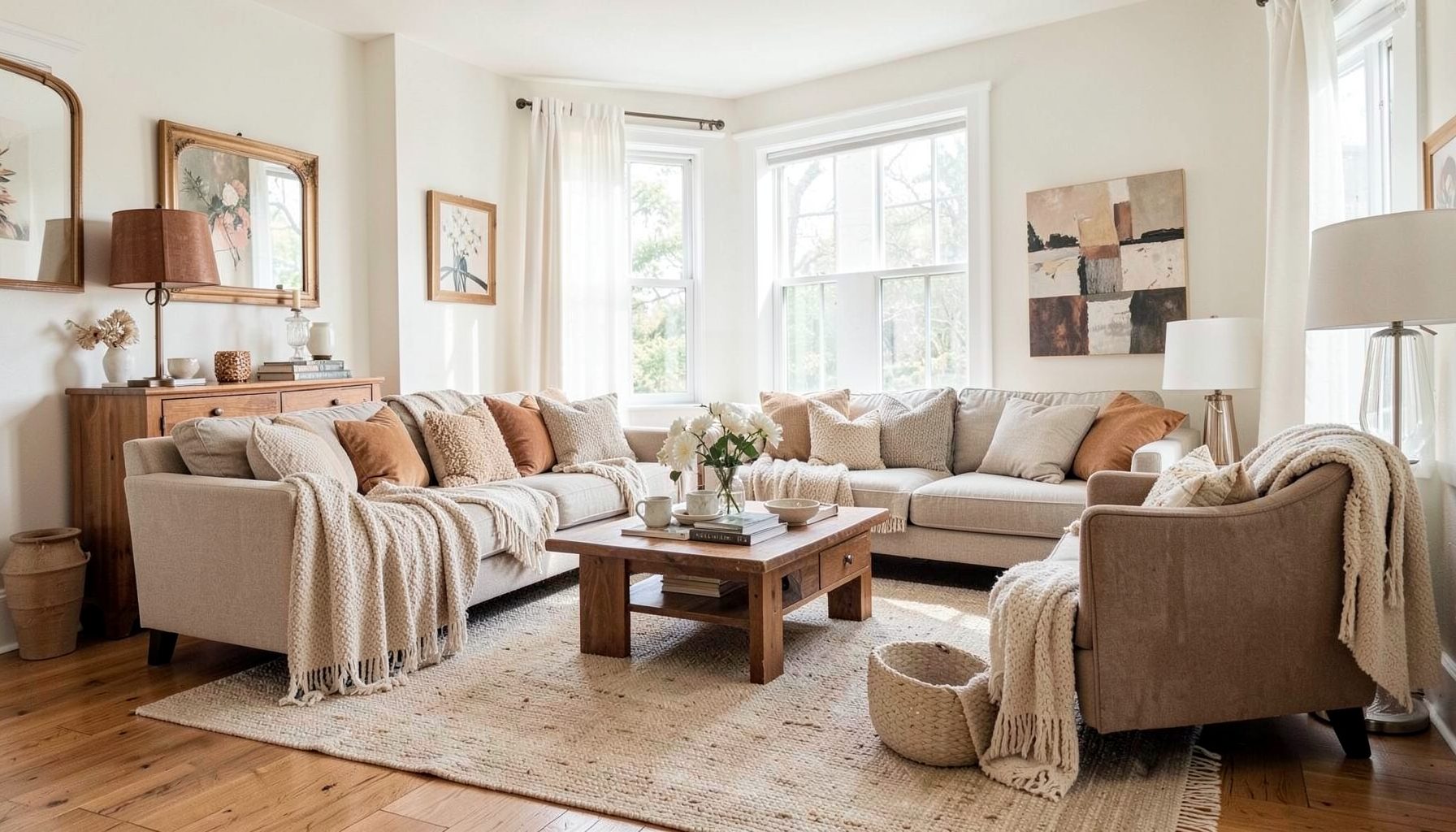
Downloads
Free curated resources for home decorating and design — guides, checklists, and inspiration to help you get started.
Learn MoreBudget Decorating With Thrifted Pieces That Look Designer
A polished home rarely comes from purchasing every item from the same collection. The rooms that feel most personal usually combine different periods, materials, and price points. A thrift store mirror may sit above a modern console, while a vintage lamp brings warmth to a tailored sofa. That contrast creates the collected look associated with high-end interiors.
Budget decorating becomes far more effective when you shop for shape, scale, craftsmanship, and potential instead of recognizable labels. Secondhand stores, estate sales, antique malls, and online resale marketplaces can reveal pieces with character that mass-produced furnishings often lack. The goal is not to fill a room with random finds. It is to curate a thoughtful mix that supports your home’s colors, architecture, and daily life.
In the Bay Area, where homes range from historic San Francisco apartments to contemporary San Jose houses, thrifted furnishings can also solve practical design problems. A narrow vintage cabinet may suit an older floor plan, while a solid wood table can add warmth to a newer open-concept space. With a discerning eye and a few simple updates, affordable finds can look distinctly designer.
Why Thrifted Pieces Look Expensive
Designer rooms tend to feel layered because they include visual variation. Smooth finishes are balanced with rough ones, old objects with new ones, and simple silhouettes with sculptural details. Thrift stores are excellent sources for these contrasts. A woven basket, aged brass frame, carved stool, or painted side table can add depth without requiring a large investment.
Proportion has a stronger effect on perceived value than price. A generously sized mirror, substantial coffee table, or tall lamp can give a room presence, even when the purchase cost is modest. Tiny accessories scattered across every surface can make a room feel cluttered, while a few well-scaled objects create a more intentional impression.
Color also helps secondhand pieces feel cohesive. Look for recurring tones rather than exact matches: warm wood, creamy white, aged metal, tobacco leather, or muted blue can appear in several areas of a room. Repetition connects unrelated finds and makes the overall design feel planned.
The Best Thrift Store Categories To Shop
Furniture is often the most rewarding category because solid construction can be found beneath dated finishes. Search for wood nightstands, occasional tables, dining chairs, benches, stools, and compact dressers. Pieces with simple lines are especially versatile because they can be painted, refinished, or styled in a more contemporary way.
Lighting has tremendous decorative impact. Vintage table lamps, ceramic bases, pleated shades, and sculptural floor lamps can become focal points in a living room or bedroom. Always inspect cords, sockets, and switches before use. An electrician or lighting professional can update old wiring so the fixture is safe for everyday use.
Mirrors and artwork can make a room feel finished at a fraction of the cost of large original pieces. Focus on frame quality, interesting shapes, and dimensions that suit your wall. A dated frame may look fresh after a coat of matte paint, while an unattractive print can sometimes be replaced with a favorite textile, photograph, or artwork from a local maker.
Textiles are another valuable source of affordable character. Look for wool rugs, linen curtains, embroidered pillows, quilts, and woven throws. Check carefully for odors, stains, moth damage, and fragile fibers. Natural materials often bring the rich texture associated with custom interiors, even when the pattern is imperfect or the color is slightly faded.
How To Recognize Quality And Potential
Before buying furniture, inspect the frame rather than judging the surface alone. Open drawers and look for dovetail joints, smooth movement, and solid bottoms. Sit in chairs to test for wobbling, and gently shake tables to check whether the joints remain firm. Veneer can be perfectly serviceable when it is intact, while bubbling, lifting, or extensive water damage may require costly repairs.
Turn pieces around and underneath them. The back, underside, and hardware can reveal how an item was made. Solid wood, metal components, and sturdy joinery are usually better investments than lightweight composite construction. Some inexpensive furniture is attractive from the front but difficult to repair once damaged, so construction should guide your decision.
A good thrifted purchase needs to fit your home before it deserves a makeover. Measure the available space, doorway, stairwell, and elevator if relevant. Bring a tape measure and note the height of nearby furniture. A beautiful cabinet that blocks a walkway or overwhelms a small room will never feel sophisticated.
Consider the cost of transformation before committing. Add the price of professional reupholstery, refinishing, new hardware, delivery, and repairs. A free chair with a damaged frame may be less economical than a reasonably priced chair with good bones. The best bargain is a piece that needs a manageable update and already has the right scale.
| Thrifted Find | Designer-Looking Update | Best Placement | Watch For |
|---|---|---|---|
| Wood side table | Light sanding, wax, or restrained paint color | Beside a sofa or reading chair | Wobbling joints and deep water marks |
| Vintage mirror | Clean frame, refresh finish, or leave patina intact | Entry, dining room, or above a console | Clouded glass and unsafe hanging hardware |
| Ceramic lamp | New shade and professionally checked wiring | Nightstand, console, or buffet | Cracked base and brittle cord |
| Small dresser | Modern pulls and a soft neutral finish | Bedroom, entry, or dining storage | Warped drawers and strong odors |
| Dining chair | Durable performance fabric or new seat cushion | Dining area or desk | Loose frames and costly upholstery work |
| Framed artwork | New mat, simple frame, or grouped installation | Hallway, stair wall, or living room | Sun fading and damaged paper |
Transforming A Dated Find
The easiest update is often a change in styling rather than a full renovation. Remove unnecessary decorative objects, clean the surface, and place the item in a setting with stronger contrast. A brown wood cabinet may look heavy alone but balanced beside a pale wall, a modern lamp, and a woven basket.
Paint can modernize a thrifted piece, though it should not be the automatic solution. Preserve beautiful wood grain when possible, especially on tables, cabinets, and chairs with distinctive craftsmanship. If paint is appropriate, prepare the surface thoroughly, use a finish suited to the material, and choose a complex neutral such as mushroom, olive, warm white, or charcoal.
Hardware has a surprisingly large influence on furniture. Replacing small knobs with aged brass pulls, leather tabs, or simple black handles can shift a piece from dated to tailored. Check the existing hole spacing before shopping, or be prepared to fill and redrill holes. The new hardware should complement the room’s other metal finishes without matching every detail exactly.
Upholstery can change the entire personality of a chair or bench. For high-use pieces, select durable fabric with enough visual texture to conceal everyday wear. A classic stripe, small-scale check, or solid linen-look performance fabric can make an older silhouette feel current. For a valuable or complicated piece, consult an upholsterer before removing the original fabric.
Styling Secondhand Finds As A Collected Room
The collected look depends on editing. Give each thrifted item enough space to be appreciated, especially when it has an unusual shape or strong finish. A single sculptural lamp on a console often has more impact than several small accessories competing for attention.
Vary heights across a vignette. Pair a low stack of books with a medium ceramic vessel and a taller branch, lamp, or framed artwork. This simple arrangement creates movement while keeping the display grounded. Trays are useful for gathering smaller objects and making an assortment feel deliberate.
Use repetition to connect different eras. If a vintage brass mirror is the starting point, echo its warmth with a brass picture frame or a small metal detail elsewhere. If the room includes several wood tones, repeat one of them in a stool, bowl, or picture frame. The finishes do not need to be identical; they need a shared visual relationship.
Leave room for practical living. A styled entry still needs a place for keys, a bedroom needs functional lighting, and a living room needs tables within reach of seating. Designer interiors feel comfortable because decoration supports the way people use the space. A thrifted piece earns its place when it adds beauty and solves a real need.
Making Affordable Finds Work In Bay Area Homes
Older San Francisco homes often offer architectural details that deserve a restrained furnishing plan. In a Victorian flat, a vintage marble-top table, antique mirror, or traditional framed artwork can reinforce the building’s character. Balance ornate details with clean-lined upholstery and open space so the room feels collected rather than period-specific.
San Jose homes may include open floor plans, larger family rooms, and newer finishes. Secondhand furniture can soften these spaces through natural wood, woven materials, aged metals, and curved silhouettes. A vintage cabinet can define a dining zone, while a pair of thrifted stools can create a flexible landing spot near a kitchen island.
Climate and storage should influence textile purchases. Bay Area homes can vary in humidity, sunlight, and ventilation, so inspect rugs and upholstered goods carefully before bringing them indoors. Let secondhand textiles air out in a dry, shaded area, and use appropriate cleaning or professional treatment when necessary.
Delivery is part of the budget, especially in dense neighborhoods or buildings with stairs. Measure access in advance and ask sellers about dimensions, disassembly, and pickup requirements. A moderately priced local find can become expensive when transport is complicated, so account for the complete cost before purchasing.
A Practical Shopping Method
Begin with a room-specific list rather than browsing without direction. Identify the missing functions, preferred dimensions, colors, and materials. For example, a living room list might include a 24-inch-wide side table, a substantial lamp, a warm-toned frame, and a basket for throws. Clear criteria make it easier to ignore attractive pieces that do not serve the room.
Take photographs of the space and keep fabric or paint samples on your phone. Natural light can alter colors significantly, especially in stores with fluorescent lighting. Photos also help you compare scale and finish when visiting several locations in one day.
Set a pause period for uncertain purchases. If an item is large, expensive, or difficult to return, leave it behind and revisit the decision after measuring at home. Smaller accessories can be more spontaneous, but major furniture should earn its place through fit, function, and condition.
- Shop for shape and construction before chasing a specific style or brand.
- Carry a tape measure, flashlight, cleaning wipes, and photos of your room.
- Budget for repairs, delivery, rewiring, refinishing, and professional cleaning.
- Mix vintage pieces with contemporary basics to keep the room feeling current.
- Edit accessories regularly so your best finds remain visible and useful.
Building A Designer Feel Over Time
A polished home is usually assembled in stages. Start with practical foundations such as seating, storage, window treatments, and lighting. Then add thrifted pieces that introduce contrast and personality. This approach prevents hurried purchases and allows the room to develop around items you genuinely enjoy.
Use investment selectively. A quality sofa or custom window treatment may deserve more of the budget, while a side table, mirror, artwork, or decorative object can come from resale sources. This balance creates a high-low design that feels comfortable and individual rather than overly coordinated.
Personal style becomes clearer when you pay attention to what you repeatedly bring home. Perhaps you gravitate toward carved wood, abstract art, pale ceramics, or old brass. These recurring preferences can become a design language across rooms, creating continuity without making every space identical.
A thrift store find looks designer when it appears chosen, cared for, and connected to its surroundings. Clean it properly, repair what matters, place it at the right scale, and surround it with pieces that reveal its best qualities. The price stays private; the character becomes part of the room.
Bring your favorite secondhand discoveries, room dimensions, and design questions to Maggie Rose Interiors for personalized decorating guidance. Whether you need a focused room makeover, online e-decorating support, or full-service interior design in San Jose, San Francisco, or beyond, thoughtful layering can turn affordable finds into a home that feels collected, welcoming, and distinctly yours.

Recent Projects