Interior Design
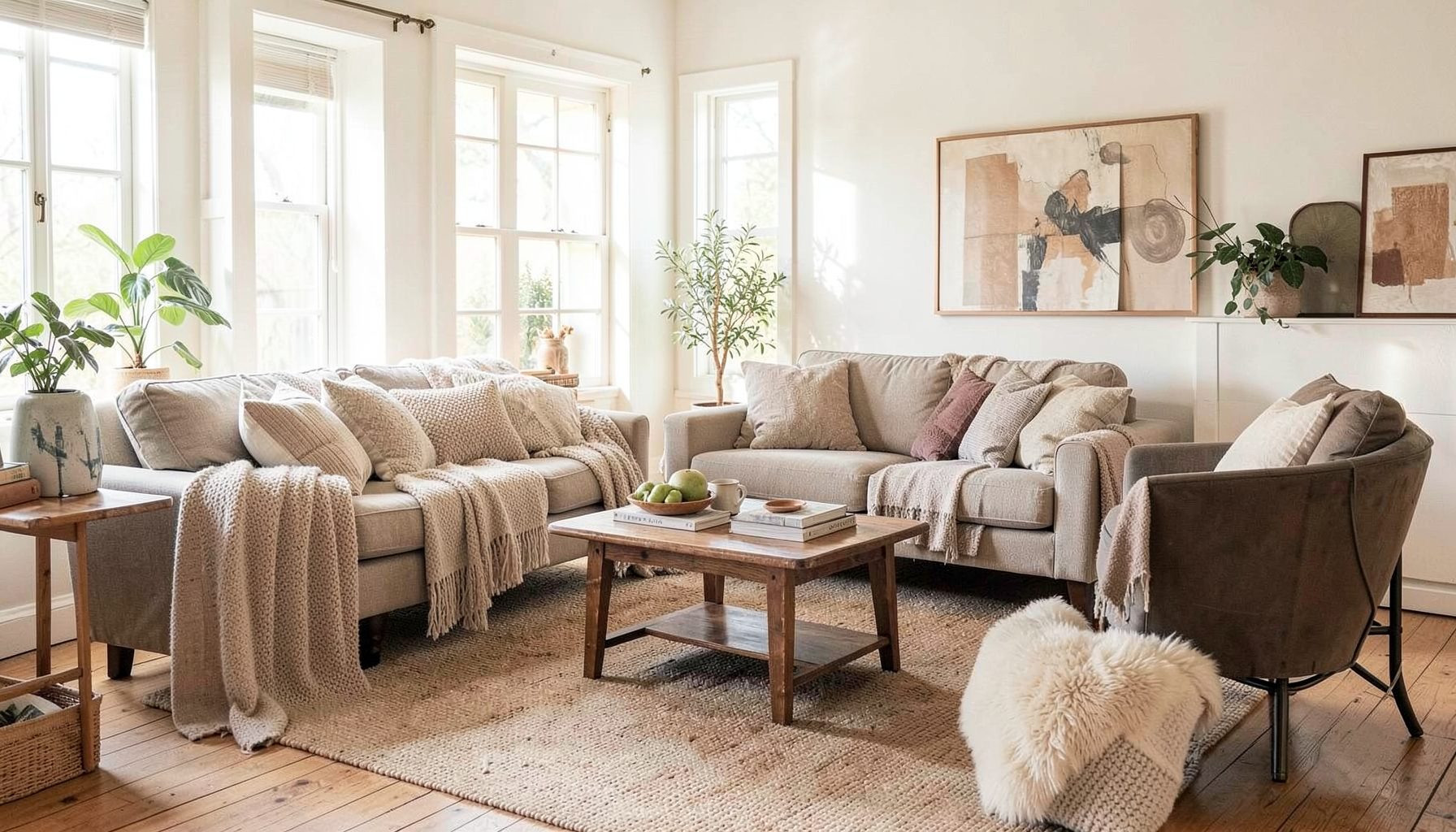
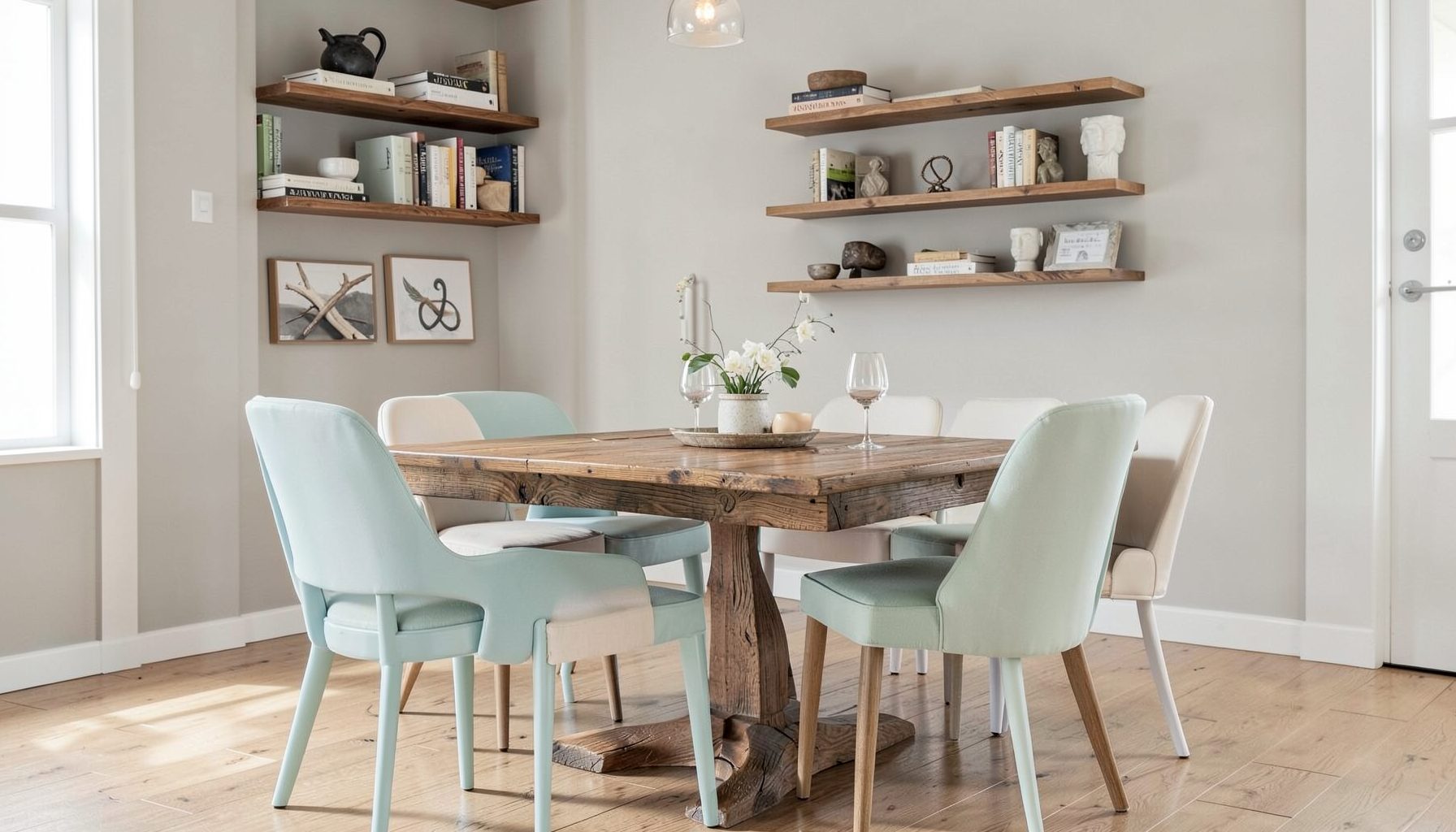
Full-service decorating that blends high and low, vintage finds with modern pieces for spaces that feel personal and collected.
Learn More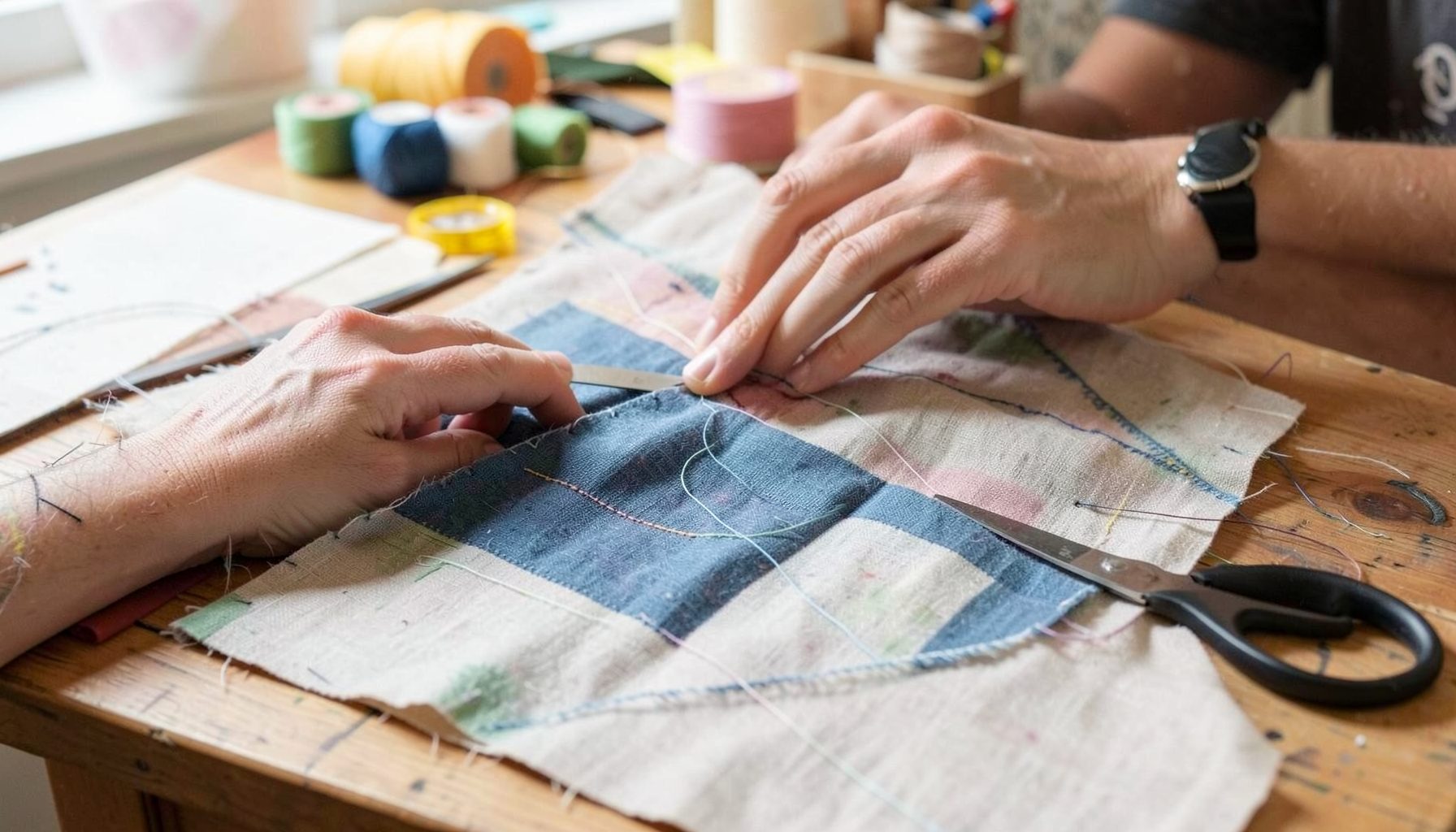
DIY Projects
Step-by-step tutorials for refinishing furniture, sewing pillows, styling bookshelves, and transforming rooms on a budget.
Learn More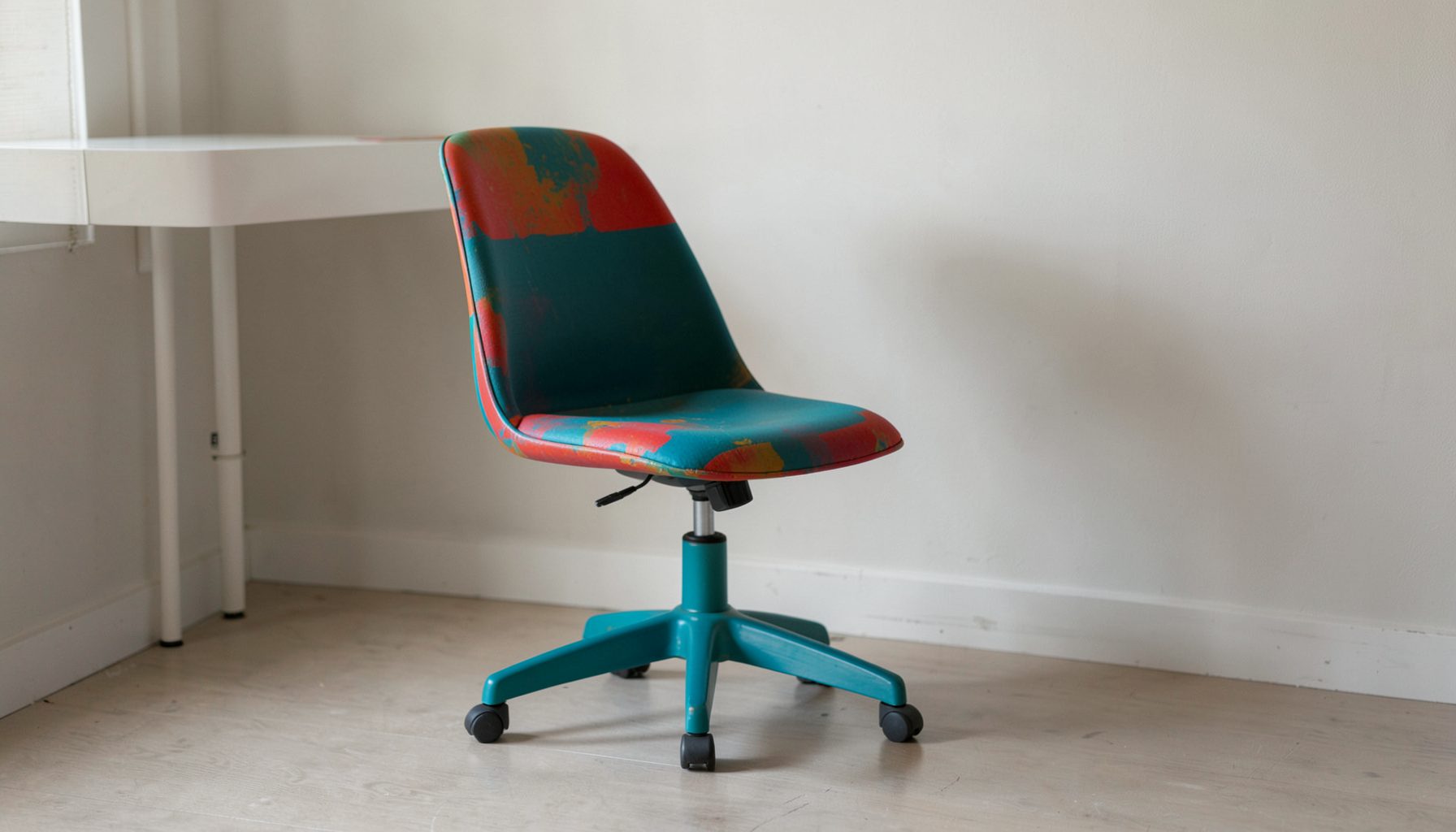
E-Decorating
Personalized design guidance delivered online — perfect for clients anywhere in the world who want a professional eye.
Learn More
Portfolio
Browse completed room makeovers, before-and-after transformations, and styling projects from Bay Area homes.
Learn More
Blog
Interior design inspiration, fashion finds, entertaining ideas, and peeks into real home renovations and styling projects.
Learn More
Downloads
Free curated resources for home decorating and design — guides, checklists, and inspiration to help you get started.
Learn MoreBringing nature home: styling with fiddle leaf figs and woven baskets
A towering fiddle leaf fig has become something of a design signature in homes across the country, pairing effortlessly with woven baskets to soften a corner, anchor a seating arrangement, or introduce a sculptural element where one is needed. The combination feels collected rather than styled, layered rather than overly polished, and it works across everything from a Sydney apartment to a sprawling Queenslander.
For Australian homes, this pairing also makes practical sense. Bright light, generally mild indoor temperatures, and a national love of indoor greenery create the perfect conditions for a fiddle leaf fig to thrive, while woven baskets offer storage that looks intentional in any room. Together, they bridge the gap between the lush greenery of the outdoors and the curated comfort of an interior, which is exactly the kind of layered, lived-in aesthetic that defines the most inviting homes.
Choosing a fiddle leaf fig that thrives indoors
Fiddle leaf figs (Ficus lyrata) originate in the rainforests of West Africa, where they grow as tall understory trees, reaching for dappled light beneath a dense canopy. This heritage is worth remembering when selecting a plant, because the conditions it evolved to love are quite different from the harsh, direct sun it sometimes receives in a sun-drenched Australian living room. Look for a plant with deep green, glossy leaves that are free from browning edges, small holes, or white residue, and check the soil moisture before you buy.
A healthy plant at a reasonable height usually runs between $80 and $200 at most nurseries, with larger, more mature specimens commanding higher prices. Bunnings Warehouse, local independent nurseries, and even some of the larger IGA supermarkets in regional areas stock them during the warmer months. Australian biosecurity rules are strict about importing live plants, which is one of the reasons locally grown stock is widely available and usually well-suited to our conditions. If you are buying online, choose a seller who ships from an Australian nursery to avoid lengthy delays at the border and to ensure the plant has been grown in a similar climate to yours.
Light, placement, and the southern hemisphere sun
The single biggest decision you will make for your fiddle leaf fig is where to place it, and in Australia this is more nuanced than it might be in the Northern Hemisphere. North-facing windows are the gold standard for year-round, even light, which keeps the plant growing symmetrically and prevents it from leaning toward the glass. In Hobart or Melbourne, where winter light is softer and the days are shorter, a position close to a north-facing window is essential. In Brisbane or Cairns, where the light is intense for much of the year, a few metres back from the window or behind a sheer curtain will prevent the leaves from scorching.
Rotate the pot a quarter turn every week or two so that light reaches all sides evenly. This small habit keeps the canopy full and prevents the plant from developing a permanent lean. If you are renting in a Sydney apartment with limited natural light, consider supplementing with a grow light on a timer during the darker months. Many Australian plant parents use inexpensive LED panels from local electrical retailers, which mimic the spectrum the plant needs without adding significantly to power bills.
Watering, humidity, and seasonal care in the Aussie climate
Fiddle leaf figs prefer their soil to dry out slightly between waterings, and overwatering is the fastest way to lose one. Stick a finger into the top three centimetres of soil; if it feels dry, water thoroughly until you see runoff from the drainage holes, then allow the pot to drain freely. In summer, this might mean watering every seven to ten days, while in winter it could stretch to two or three weeks depending on the indoor temperature and humidity.
Coastal cities such as Sydney, Perth, and parts of Melbourne tend to have higher indoor humidity, which fiddle leaf figs appreciate, particularly during the dry winter months when heating systems are running. If your home feels dry, group the plant with others, place a tray of pebbles and water beneath the pot (without letting the base sit in water), or run a humidifier nearby. Fertilise lightly during the growing season with a diluted liquid fertiliser formulated for indoor foliage plants, and hold off altogether during the cooler months when growth slows.
Sourcing woven baskets with character
Woven baskets are the unsung workhorses of a well-styled home, and Australia is spoiled for choice when it comes to beautiful options. Seagrass, jute, water hyacinth, and rattan are all widely available, each offering a slightly different texture and tone. Bunnings stocks a rotating range of affordable baskets in various sizes, while retailers such as West Elm, Freedom, and local makers on platforms like Etsy Australia offer more distinctive pieces.
For something with genuine cultural significance, look for baskets made by Indigenous Australian artists. Communities across Arnhem Land, the Western Desert, and the Torres Strait have long traditions of fibre weaving, and purchasing from these makers supports both living cultural practice and economic opportunity for remote communities. Many galleries, including Boomalli Aboriginal Artists Co-operative in Sydney and local markets in Darwin, Alice Springs, and Melbourne stock authentic pieces. The texture, the natural variation in the fibres, and the sense of story they bring to a room are difficult to replicate with mass-produced alternatives.
When selecting baskets to pair with a large plant, vary the sizes and shapes. A tall, lidded basket can hide a plastic nursery pot while adding visual weight to a corner, and a low, wide basket beside a fireplace or console table creates a place for rolled throws, magazines, or extra cushions.
Layering the look across your home
The beauty of this pairing is its versatility. In a living room, a fiddle leaf fig of around 1.5 to two metres tall placed in a generously sized basket creates a vertical moment that draws the eye upward and balances a low-slung sofa. In a bedroom, a slightly smaller plant on a stand, with a basket of neatly folded throws beneath it, softens the space and makes the corner feel intentional rather than empty. Even a narrow entryway benefits from a tall, slim fig paired with a low basket for shoes or dog leads.
Layer the textures rather than matching everything perfectly. A vintage leather armchair, a modern linen sofa, a hand-thrown ceramic vessel, and a raw timber side table can all coexist with a glossy fiddle leaf fig and a natural fibre basket. This is the kind of layered, collected feel that makes a home look settled rather than styled. If you enjoy hands-on projects, there are several DIY projects that can help you create custom basket liners, plant stands, or even macramé hangers that complement the look without breaking the budget.
For those in a coastal suburb from Bondi to Byron Bay, lean into the breezy, slightly undone feel with whitewashed linens, bleached timber, and baskets in pale, sun-bleached tones. In a Melbourne terrace or Adelaide bungalow, deeper, warmer tones in the baskets — think tobacco, caramel, and walnut — pair beautifully with the green of the leaves and the often moodier interior palette favoured in those homes.
Keeping the combination looking its best
A little regular maintenance keeps both the plant and the baskets looking their sharpest. Wipe the leaves of your fiddle leaf fig with a damp cloth every few weeks to remove dust, which can block light and slow growth. Trim any damaged or yellowing leaves at the base of the stem with clean secateurs, and check the undersides for pests such as scale or spider mites, which occasionally appear in warmer, drier indoor environments.
Baskets benefit from a gentle vacuum with a brush attachment every month or so, and a wipe-down with a barely damp cloth if they are in a high-traffic area. Avoid placing natural fibre baskets in direct, prolonged sunlight, which can dry them out and cause cracking, and keep them away from heating vents for the same reason. If a basket starts to look tired after a few years, consider using it for something less visible, such as laundry storage, and bringing a fresh one into the main living area.
The most rewarding part of styling with a fiddle leaf fig and woven baskets is how the combination evolves. The plant will grow taller and fuller with each season, the leaves will catch the light differently as the angle of the sun changes, and the baskets will patina and soften in their own way. A well-tended fiddle leaf fig and a few carefully chosen baskets, refreshed every couple of years, will carry a room through a decade of changing furniture, shifting palettes, and new chapters of family life.

Recent Projects