Interior Design
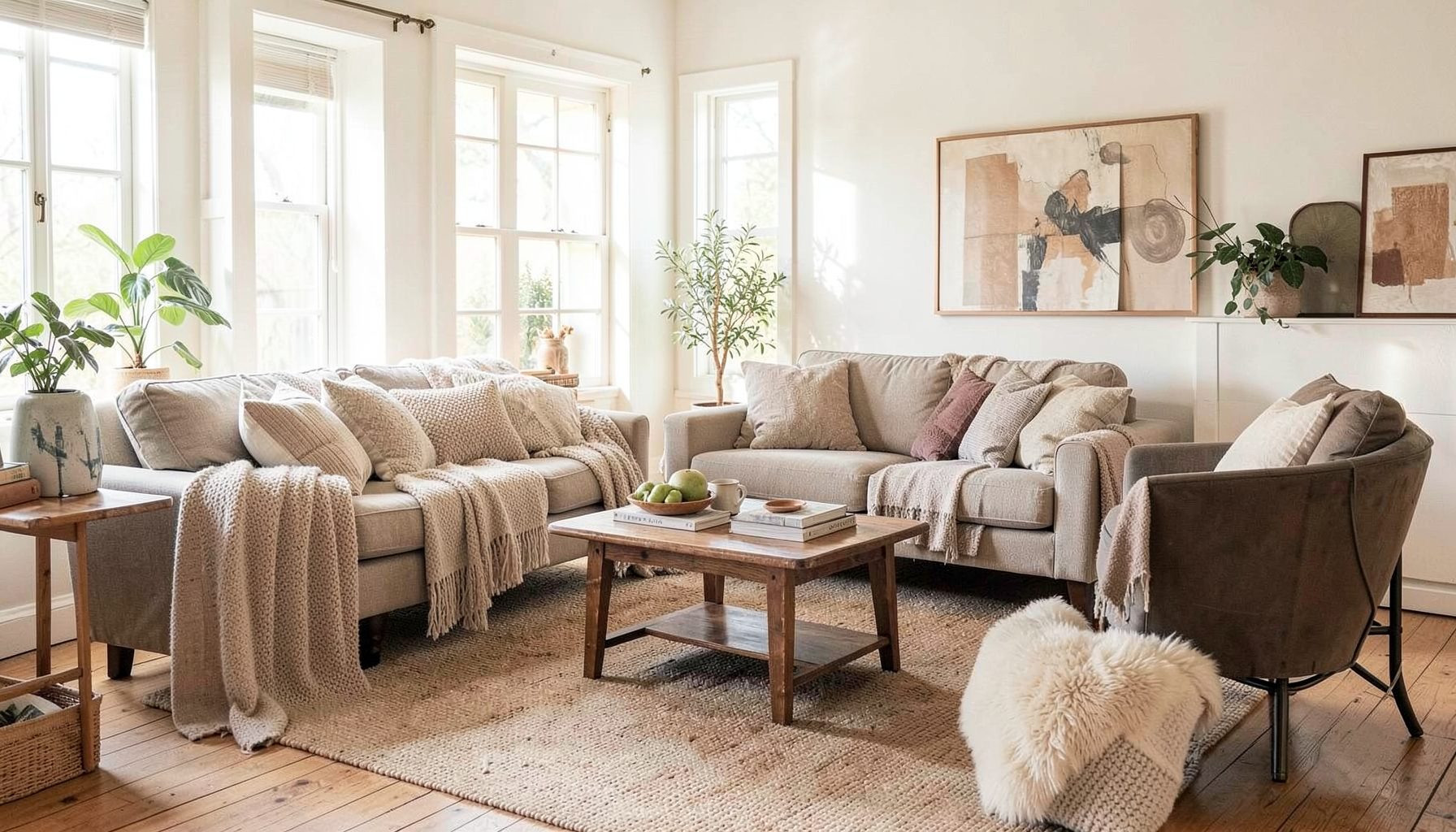
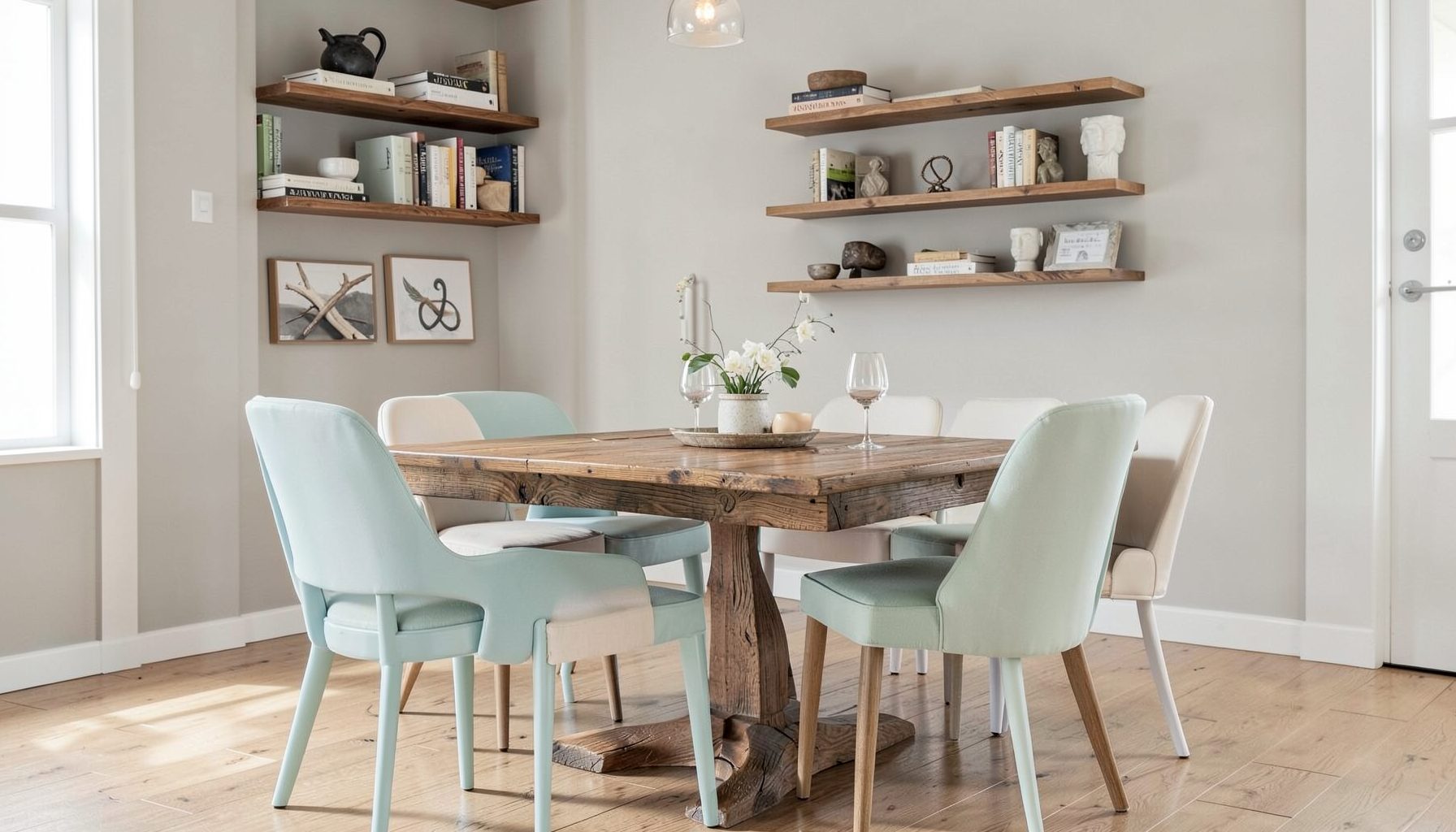
Full-service decorating that blends high and low, vintage finds with modern pieces for spaces that feel personal and collected.
Learn More
DIY Projects
Step-by-step tutorials for refinishing furniture, sewing pillows, styling bookshelves, and transforming rooms on a budget.
Learn More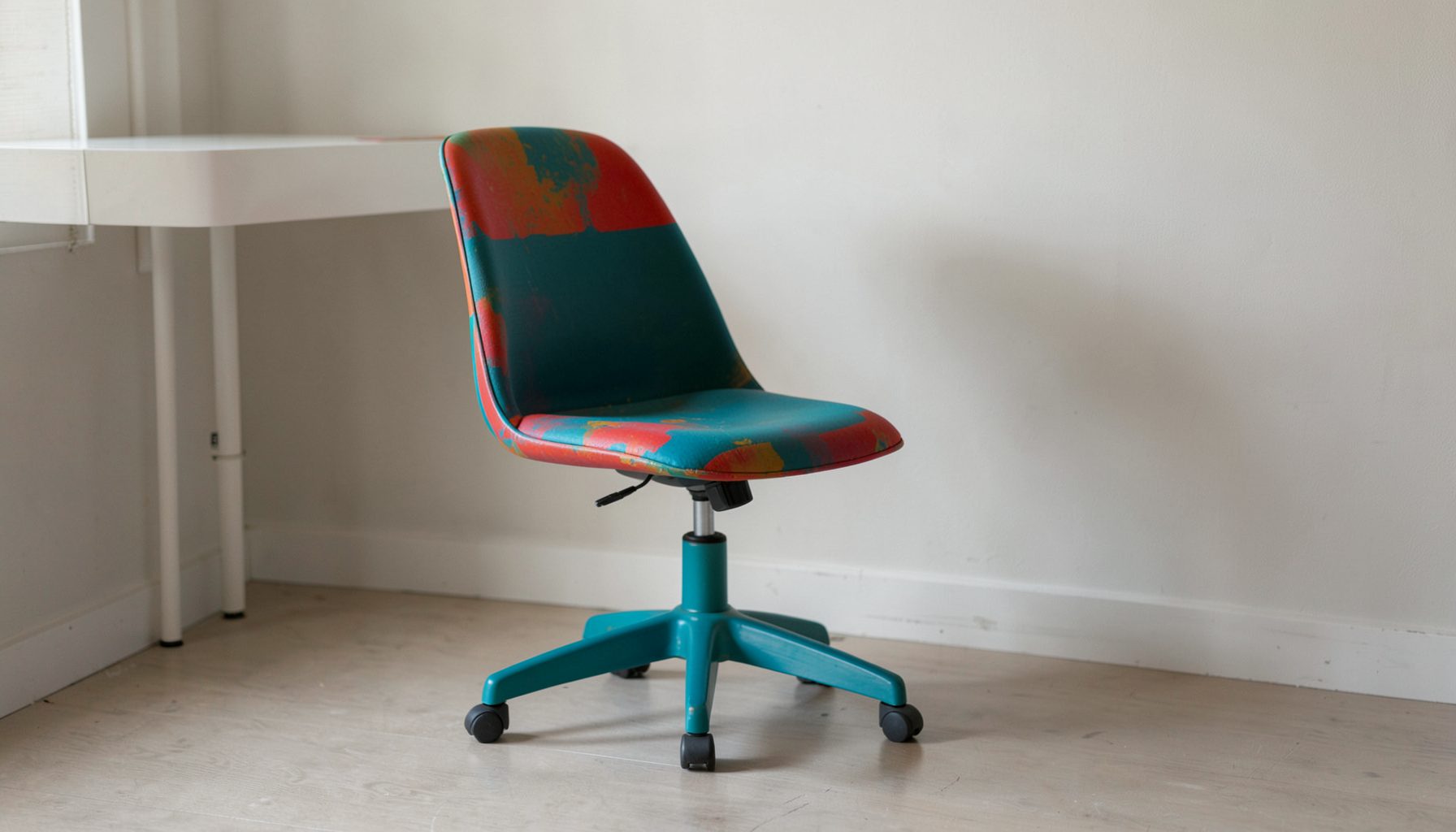
E-Decorating
Personalized design guidance delivered online — perfect for clients anywhere in the world who want a professional eye.
Learn More
Portfolio
Browse completed room makeovers, before-and-after transformations, and styling projects from Bay Area homes.
Learn More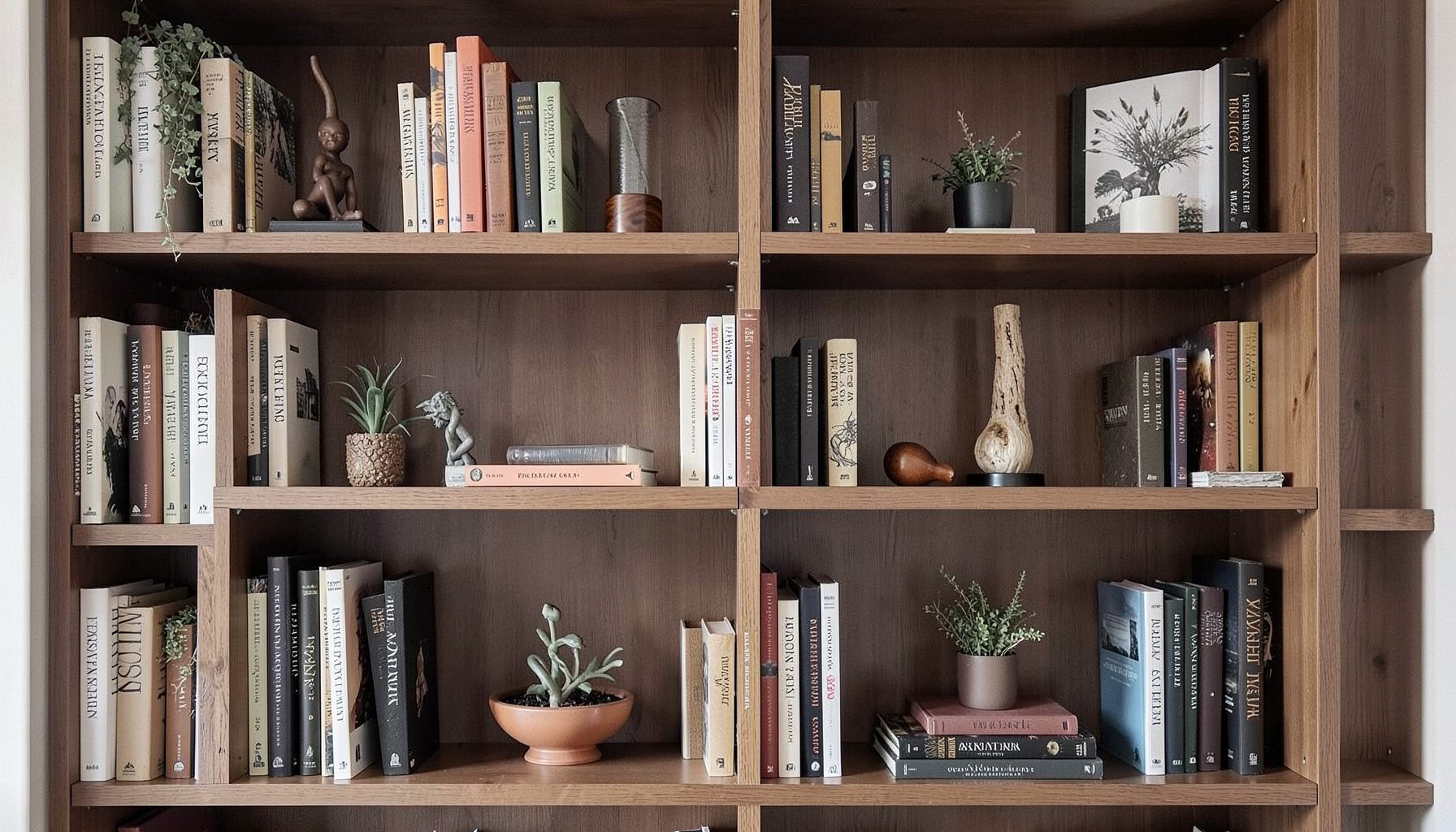
Blog
Interior design inspiration, fashion finds, entertaining ideas, and peeks into real home renovations and styling projects.
Learn More
Downloads
Free curated resources for home decorating and design — guides, checklists, and inspiration to help you get started.
Learn MoreBay Area Plant Styling For Layered, Lived-In Interiors
Plants bring movement, color, texture, and a sense of calm to a home. In Bay Area interiors, greenery can also connect indoor spaces with the region’s natural character, from coastal light and eucalyptus groves to redwood forests and sunny Mediterranean gardens. The right plants make a room feel finished without making it feel overly staged.
Successful plant styling is more thoughtful than placing a few pots near a window. It involves choosing varieties that suit the available light, pairing containers with the room’s furnishings, and creating arrangements with different heights and silhouettes. A trailing plant on a shelf, a sculptural tree in an empty corner, and a small herb garden near the kitchen can each contribute to the overall design story.
The most inviting rooms balance polished details with personal discoveries. Greenery works beautifully within that approach because it can be collected gradually, mixed with vintage finds, and adapted as a home changes. Whether you are refreshing a single room or planning a full interior makeover, plants offer an accessible way to add character and depth.
Read The Room Before Choosing Plants
Every plant arrangement should begin with the room itself. Observe how sunlight moves across the space during the day, then consider the temperature, humidity, traffic patterns, and proximity to windows. A bright south-facing room may support sun-loving citrus or succulents, while a dim hallway may be better suited to a cast iron plant, snake plant, or low-light artificial greenery.
Bay Area homes vary widely in their conditions. A cool, foggy San Francisco apartment may have soft indirect light, while a San Jose home with large west-facing windows can become hot and bright in the afternoon. A plant that thrives in one neighborhood may struggle in another room just a few miles away. Matching plants to conditions is the first step toward arrangements that remain attractive over time.
Consider the architecture as well. Tall ceilings can handle substantial trees, palms, or olive-style branches, while a compact bungalow may benefit from tabletop plants and narrow floor stands. Built-in shelves, bay windows, stair landings, and unused corners all offer opportunities for greenery, but each location needs an arrangement scaled to its surroundings.
Create Layers Of Height And Texture
A plant display feels intentional when it includes variation. Combine upright forms with rounded leaves, fine foliage, and trailing stems. A fiddle-leaf fig or bird of paradise can establish a strong vertical line, while pothos, string of hearts, or a fern softens the edge of a shelf. Smaller plants fill visual gaps without competing with larger focal pieces.
Plant stands are particularly useful for adding height without buying oversized specimens. A ceramic pedestal can elevate a compact fern, and a wooden stool can give a relaxed, collected feel to a simple terracotta pot. Baskets, woven planters, and metal stands each create a different mood, so their finishes should relate to nearby materials such as rattan, brass, oak, or painted cabinetry.
Varying texture keeps green-on-green arrangements from feeling flat. Glossy leaves bring a refined quality, while matte foliage feels quieter and more organic. Pairing a sculptural cactus with a leafy plant can create contrast, as can placing a delicate trailing vine near a substantial ceramic vessel. The objective is visual rhythm rather than uniformity.
Match Containers To The Design Story
Planters function as furnishings, so their shape and finish deserve the same attention as a side table or lamp. A weathered terracotta pot can support a warm, California casual interior, while a glossy planter may suit a more tailored room. Handmade vessels, vintage brass containers, and simple woven baskets help greenery feel integrated with the rest of the decor.
Use repetition carefully. A group of identical white pots can look crisp in a kitchen or home office, but a living room may benefit from a more layered mix. Try combining two or three related finishes rather than collecting every style at once. Repeating one material, such as natural fiber or aged ceramic, will create cohesion even when the shapes differ.
Scale matters as much as color. A delicate plant in a massive pot can look lost, while a vigorous tree in a small container may seem unstable. Leave enough visual space around each plant for its shape to register. If leaves press against artwork, block a walkway, or disappear behind furniture, move the arrangement rather than forcing it into place.
Use Greenery To Define Zones
Plants can organize an open floor plan without adding walls. A tall tree beside a lounge chair creates a subtle reading nook, while a row of medium plants can distinguish a dining area from the living room. In a studio apartment, a large planter can act as a soft boundary between the bed and the sitting area.
In kitchens, herbs provide both function and visual interest. Place basil, rosemary, mint, or thyme in a bright window, but choose containers that can tolerate regular watering and occasional splashes. A narrow stone tray or vintage metal holder keeps the collection orderly while adding a practical layer to the countertop.
Bedrooms benefit from restrained planting. One graceful plant on a dresser or a small pot on a nightstand is often enough to bring life into the room without creating clutter. In bathrooms, humidity-loving options such as ferns, calatheas, and certain orchids can perform well when natural light is available. Good placement should make care easy, not turn plant maintenance into an obstacle.
Balance Living Plants With Collected Objects
Greenery becomes more personal when it is displayed alongside objects that have meaning. Place a plant near a stack of design books, a framed photograph, a vintage box, or a ceramic sculpture. These combinations create the impression that the room has evolved naturally over time rather than being assembled from a single showroom collection.
Shelving offers a useful format for this kind of composition. Keep the tallest plant toward one side, then balance it with artwork or a larger object on the opposite side. Small plants can occupy empty spaces, but avoid filling every shelf. Negative space allows leaves and decorative pieces to stand out.
For additional inspiration, explore the studio’s decorating resources, where practical ideas can help connect plant styling with broader choices in color, furniture, accessories, and room arrangement. A plant display is most successful when it supports the personality of the home instead of becoming a separate theme.
Compare Planting Approaches By Space
Different rooms call for different levels of scale, maintenance, and visual impact. The best choice depends on how the space is used, how much light it receives, and how prominently the greenery should feature in the design.
| Space | Planting Approach | Container Direction | Design Effect |
|---|---|---|---|
| Living room | One statement tree with smaller supporting plants | Woven basket, sculptural ceramic, or wood stand | Adds height and creates a relaxed focal point |
| Entryway | Hardy upright plant or leafy arrangement | Narrow planter with a stable base | Welcomes guests without obstructing circulation |
| Kitchen | Compact herbs and one decorative plant | Stone tray, terracotta, or glazed pots | Brings freshness and practical color |
| Bedroom | One or two low-maintenance plants | Soft neutral ceramic or woven cover | Adds calm texture without visual clutter |
| Bathroom | Humidity-tolerant plants near natural light | Water-resistant ceramic or hanging planter | Creates a spa-like, organic atmosphere |
| Home office | Small desk plant plus a taller corner plant | Minimal pot paired with a stand | Softens technology and supports a focused mood |
This comparison also highlights the importance of maintenance. A plant that requires frequent attention may be ideal for a kitchen window but unsuitable for a guest room. Select options that fit the rhythm of the household so the display continues to look cared for.
Make Maintenance Part Of The Design
Healthy plants are central to successful indoor styling. Dust leaves gently with a soft cloth, remove yellowing foliage, rotate containers so growth remains balanced, and check soil before watering. A beautiful pot cannot compensate for a plant that is stressed, overcrowded, or placed in unsuitable light.
Use saucers or waterproof liners to protect floors, shelves, and vintage furniture. For larger specimens, choose containers that are easy to move or place them on a discreet plant caddy. These small planning details are especially important in rental homes and older Bay Area properties where flooring may require extra care.
If a favorite plant begins to struggle, treat the change as useful information rather than a design failure. Move it closer to a window, reduce watering, improve drainage, or replace it with a more suitable variety. Styling should remain flexible. Healthy, appropriately scaled greenery will always look more polished than an ambitious arrangement that cannot thrive.
Practical Ways To Refresh Your Plant Display
A plant collection does not need to be redesigned all at once. Small adjustments can make an existing room feel new while preserving the pieces that already work.
- Group plants in odd-numbered arrangements, using varied heights and leaf shapes for a natural composition.
- Replace worn plastic nursery pots with coordinated covers that complement the room’s colors and materials.
- Move one large plant to a previously empty corner and balance it with a low basket or stool nearby.
- Prune trailing stems, rotate containers, and remove damaged leaves before adding anything new.
- Photograph the room from the doorway to check whether the greenery supports the overall flow and focal points.
These changes are especially effective when paired with other small styling updates, such as shifting a side table, layering a textile, or repositioning artwork. Plants should participate in the room’s composition, not sit apart from it.
A thoughtfully styled home may include a dramatic indoor tree, a humble terracotta herb pot, and a cutting rooted in a vintage glass vessel. That mix of polished and personal pieces is what gives greenery its lasting appeal. In the Bay Area, where indoor-outdoor living and natural scenery are part of everyday life, plants can make interiors feel more connected, welcoming, and alive.
Begin with one room, study its light, and choose a plant whose shape complements the furnishings already there. Add a container with character, give the arrangement room to breathe, and let the collection develop over time. For a more personalized transformation, Maggie Rose Interiors can help shape a layered plant plan that reflects your home, lifestyle, and individual sense of style.

Recent Projects