Interior Design
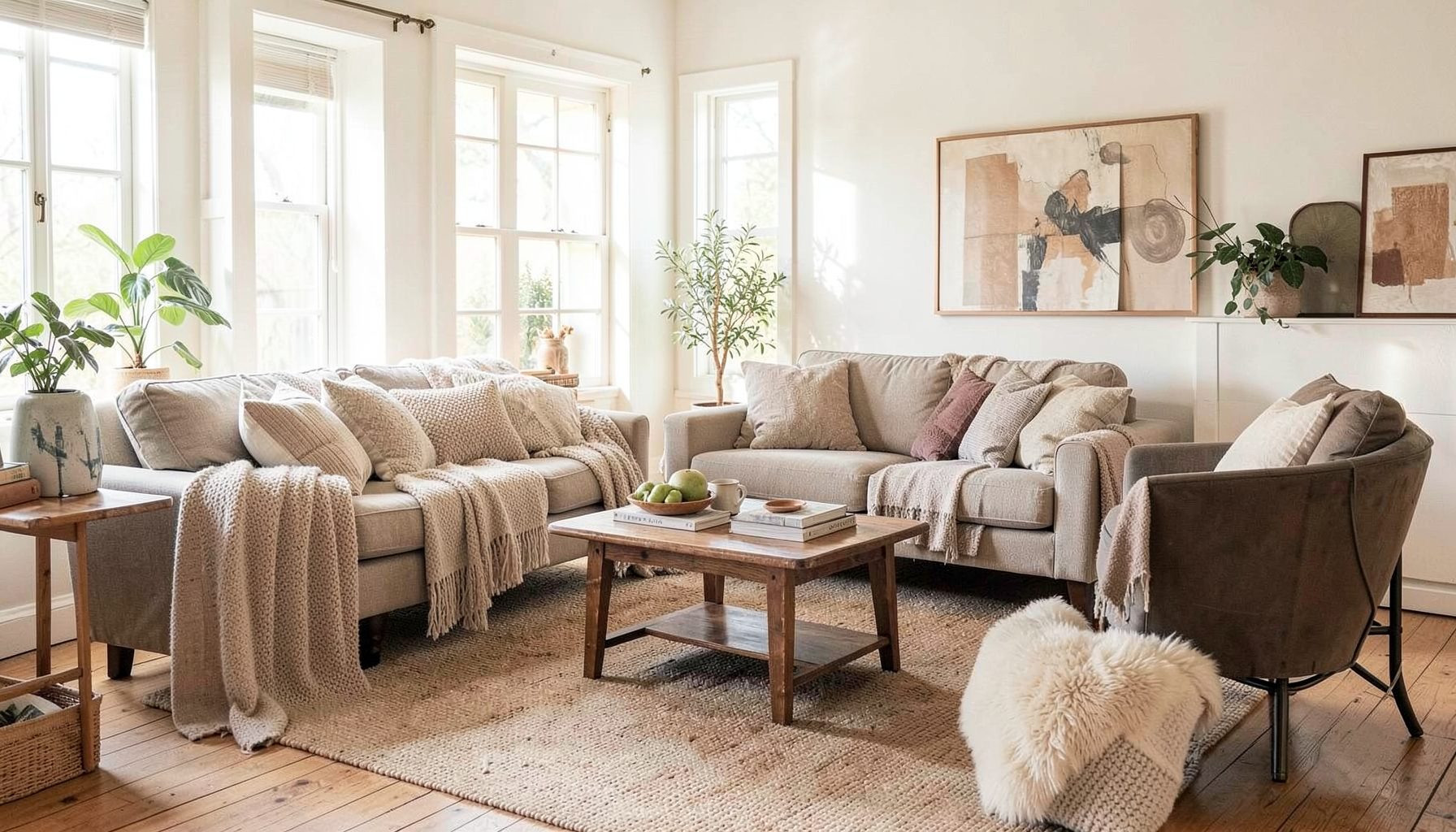
Full-service decorating that blends high and low, vintage finds with modern pieces for spaces that feel personal and collected.
Learn More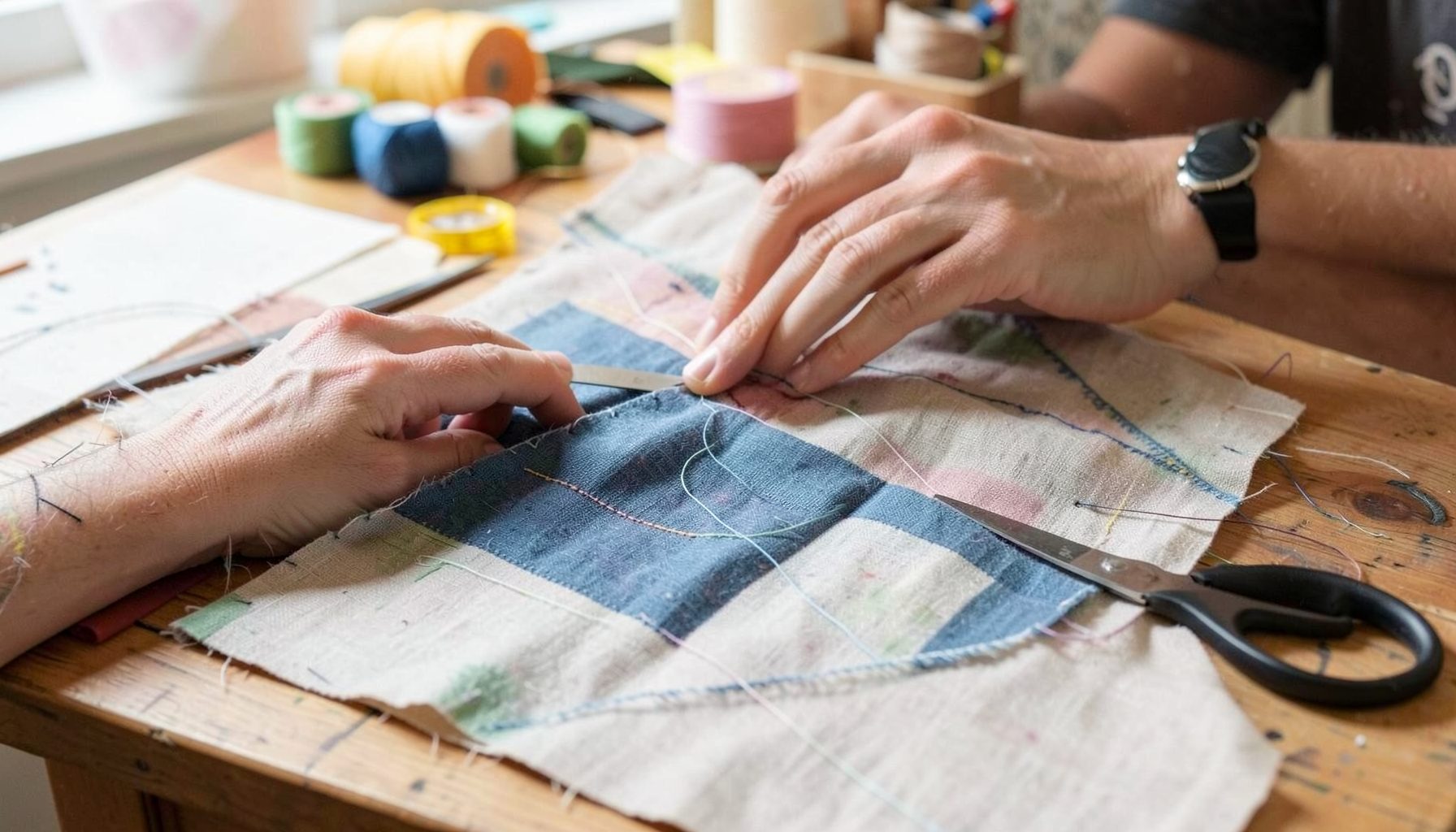
DIY Projects
Step-by-step tutorials for refinishing furniture, sewing pillows, styling bookshelves, and transforming rooms on a budget.
Learn More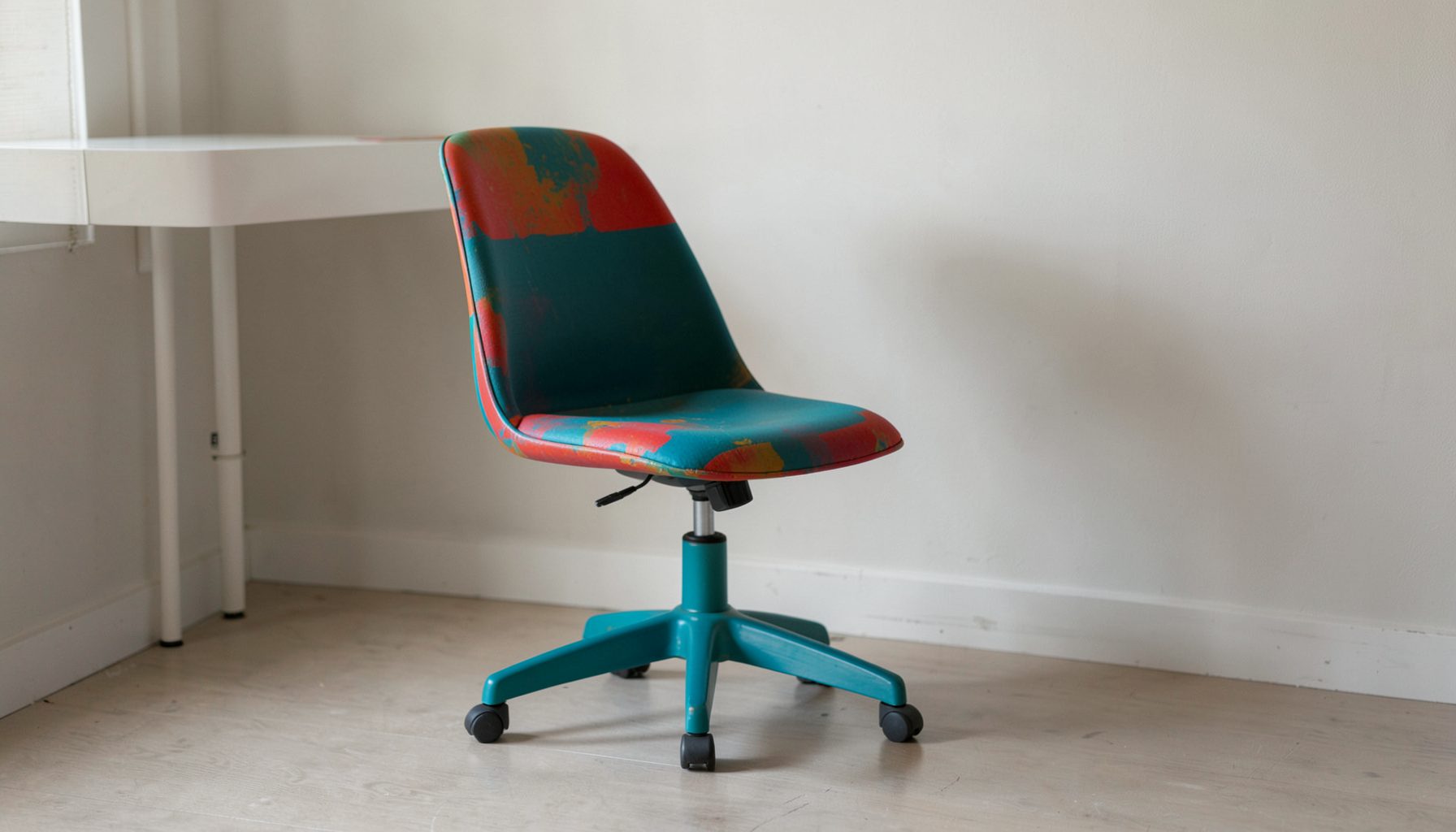
E-Decorating
Personalized design guidance delivered online — perfect for clients anywhere in the world who want a professional eye.
Learn More
Portfolio
Browse completed room makeovers, before-and-after transformations, and styling projects from Bay Area homes.
Learn More
Blog
Interior design inspiration, fashion finds, entertaining ideas, and peeks into real home renovations and styling projects.
Learn More
Downloads
Free curated resources for home decorating and design — guides, checklists, and inspiration to help you get started.
Learn MoreA warmer breakfast nook with a tailored banquette
A banquette can turn an underused breakfast corner into one of the most comfortable and characterful parts of an Australian home. Built-in seating makes better use of a narrow wall, creates room for extra guests and gives a dining area a finished architectural feel without requiring a large table and a matching set of chairs.
The success of the scheme depends on more than the joinery. Seat height, cushion density, fabric performance, lighting, storage and the relationship between the bench and table all need to work together. The most appealing results feel collected rather than overly matched, combining practical modern pieces with vintage finds, warm timber and details that reflect the people who use the space.
Find the right location and proportions
Start by observing how the room is used throughout the day. In a Melbourne terrace, the breakfast area may sit beside a compact galley kitchen, while in a Brisbane or Gold Coast home it may open towards a bright family room or outdoor entertaining area. The bench should improve circulation rather than create a permanent obstacle between the kitchen, pantry and back door.
Allow enough space for people to sit down and stand up comfortably. A seat depth of roughly 500 to 600 millimetres usually provides a relaxed position without pushing the table too far into the room. A finished seat height of around 450 millimetres is a useful starting point, including the cushion, though the ideal measurement depends on the table height and the occupants.
The table should overlap the bench slightly without trapping knees against the wall. A pedestal or trestle base is often easier to live with than four corner legs, particularly when several people are sliding across the bench. Before ordering joinery, mark the proposed footprint on the floor with painter’s tape for several days. This simple test reveals whether a cupboard door, dishwasher or walkway has been compromised.
Choose a built-in style that suits the home
A custom bench can be as simple as a painted timber box with a loose cushion, or as detailed as a full run of cabinetry with drawers, open shelving and a shaped back. In a Federation or Victorian home, panelled joinery and a traditional paint colour can echo existing architraves. In a contemporary Sydney apartment, a streamlined oak or laminate finish may feel more natural.
Storage is one of the strongest reasons to build a banquette. Lift-up seats can hold occasional table linens, children’s art supplies or rarely used serving pieces, although hinges and gas struts need to be robust and easy to operate. Drawers are more convenient for daily use because they avoid lifting a heavy cushion, but they require clearance in front of the bench.
Think carefully about the wall behind the seating. A painted surface is flexible and inexpensive to refresh, while timber panelling, textured wallpaper or a tiled splashback can give the breakfast corner a stronger identity. If the bench is close to a kitchen work zone, select finishes that can tolerate splashes and regular wiping. A ledge behind the cushion can provide a place for small artwork, salt and pepper mills or a vase, provided it does not reduce usable seat depth.
A design studio’s completed spaces can help clarify the balance between relaxed and refined detailing. The project portfolio shows how layered materials, collected furniture and considered styling can make a practical dining area feel personal rather than mass-produced.
Design custom cushions for everyday comfort
The cushion is what makes a built-in seat inviting, so it deserves the same attention as the cabinetry. A single long seat cushion creates a clean, tailored appearance, while two or three cushions are easier to remove and carry outside for cleaning. Separate pieces can also be replaced individually if one area receives heavier wear.
Medium-firm high-density foam is generally more supportive than soft polyfill for a breakfast bench used every day. A thin layer of dacron or fibre wrap around the foam softens the edges and gives the cushion a fuller profile. If a relaxed, slightly rumpled look is preferred, a feather and fibre blend can be comfortable, but it may need regular plumping and is less forgiving for busy households.
The back cushion should not automatically match the seat thickness. A shallow, loose lumbar cushion may be enough where the bench sits against a wall, while a deeper upholstered back can create a more lounge-like corner. Slightly angled back cushions are particularly comfortable, but the joiner or upholsterer must account for the space they consume.
Before finalising the pattern, make a paper template of the seat and check every corner. Walls are rarely perfectly square, especially in older Adelaide, Hobart or inner-Sydney homes. A small scribe at the rear of the cabinetry and accurately shaped cushion covers will prevent awkward gaps that collect crumbs.
Select fabrics for Australian light and living
Breakfast seating often receives strong morning sun, especially in north-facing rooms. UV exposure can fade saturated linen, cotton and printed fabrics surprisingly quickly, so ask for a colourfastness rating and consider a window treatment. Sheer curtains, woven blinds or a discreet roller shade can control glare without making the nook feel closed in.
Performance upholstery is worth investigating for homes with children, pets or frequent entertaining. Solution-dyed acrylics, treated polyesters and some commercial-grade blends resist staining and are available in textures that feel more sophisticated than traditional outdoor fabric. Natural linen and wool remain beautiful choices, but they need realistic expectations about creasing, marking and professional cleaning.
The fabric should relate to the broader room without becoming a perfect match for every other textile. A warm oat seat with a muted olive or rust back cushion can sit comfortably beside walnut, brushed brass and painted cabinetry. A small-scale stripe or check adds a tailored note, while a vintage textile used on a lumbar cushion introduces individuality at lower cost.
Ask the upholsterer about removable, zippered covers and whether the chosen fabric can be cleaned without shrinkage. In Australia, the care label and fibre composition are especially useful when comparing local makers and imported furnishings. A cushion that looks beautiful but cannot tolerate the household’s routine will become a source of frustration.
Coordinate the table, lighting and finishing details
Round and oval tables encourage conversation and soften the geometry of a built-in bench. They also reduce sharp corners in a compact family area. Rectangular tables can work well when the bench runs along one long wall, particularly if the opposite side has enough room for two movable chairs.
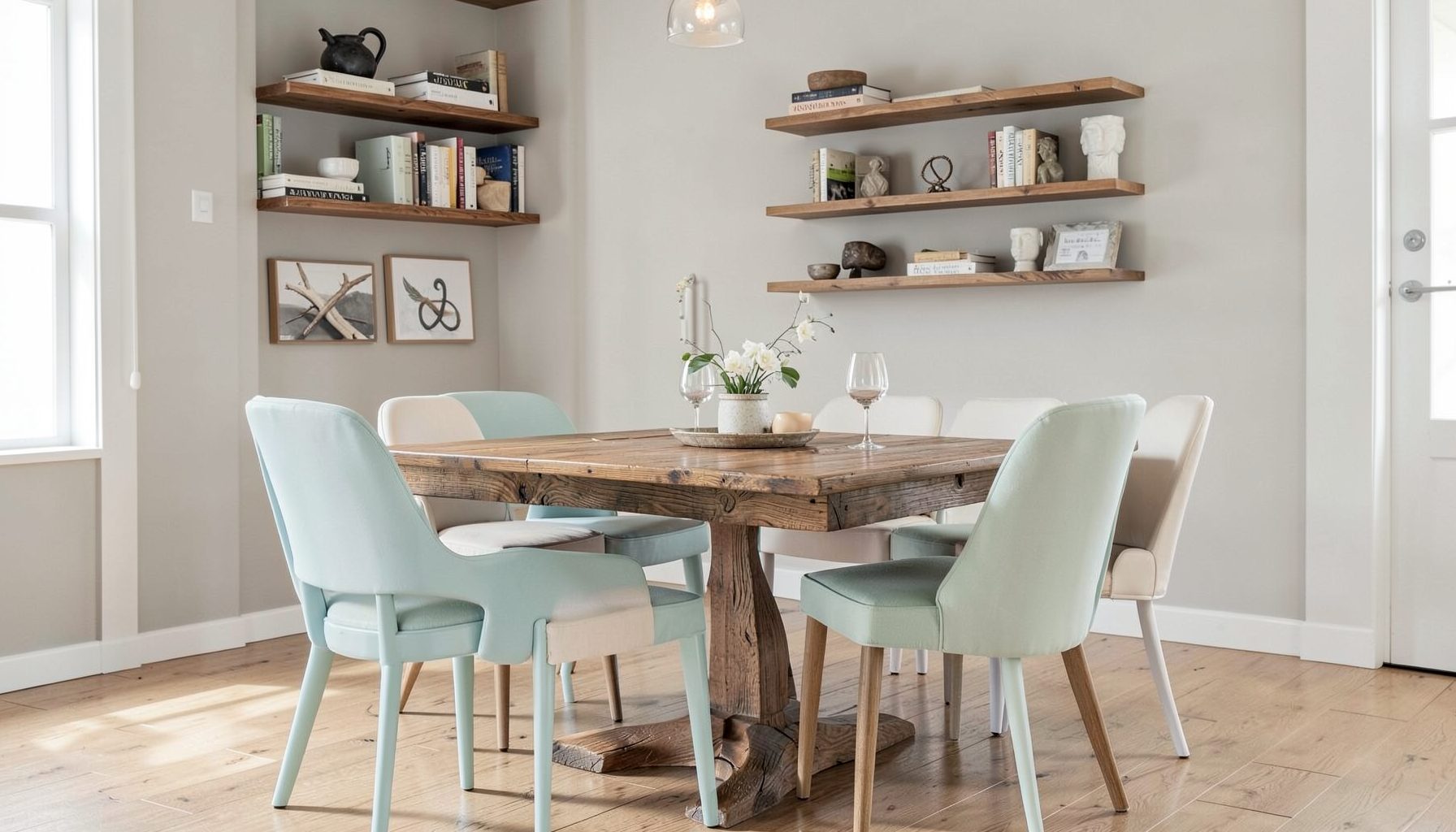
Mixing seating is often more successful than creating a complete matching set. Pair the banquette with timber, bentwood or upholstered chairs that can move around the room when guests arrive. A pair of vintage chairs from a local market can provide contrast, while a simple contemporary table keeps the overall arrangement from feeling too themed.
Lighting should support both breakfast and evening use. A pendant centred over the table gives the nook a sense of purpose, but its height must leave clear sightlines across the table. Wall sconces can be effective where ceiling wiring is difficult, although electrical work should be completed by a licensed electrician. In a rental or apartment, a plug-in pendant or rechargeable lamp may offer a less invasive alternative, subject to the owner’s approval.
Layer smaller details after the practical decisions are settled. A washable runner, a framed print, a ceramic bowl for fruit and a low-maintenance plant can make the area feel finished. Avoid overcrowding the table or ledge; the bench should remain easy to wipe down and ready for daily use rather than becoming a display that must be cleared before breakfast.
Plan the budget, installation and local requirements
Costs vary widely depending on the length of the bench, internal storage, timber species, paint finish, upholstery and whether walls or flooring need repair. A straightforward seat with loose cushions may be achievable through a local cabinetmaker, while integrated drawers, panelling and premium fabric will move the project into a higher investment bracket. Obtain itemised quotes so joinery, delivery, installation, fabric and electrical work are not accidentally treated as one vague allowance.
Australian homes also bring practical considerations that are easy to miss in inspirational images. In a strata apartment, changes to fixed joinery, flooring, walls or electrical connections may require body corporate approval. In a rental, written permission from the property owner is essential before attaching a bench or altering cabinetry. A professional designer or builder can identify these constraints before materials are ordered.
Check clearances around power points, heaters, windows and doors. A fixed bench must not obstruct an exit route, restrict access to a switchboard or cover ventilation openings. If the breakfast area forms part of a renovation involving plumbing, structural changes or extensive electrical work, the relevant state and local requirements should be reviewed with qualified trades. The National Construction Code and state-based rules may affect work that appears cosmetically minor.
Keep a separate allowance for the details that make the result comfortable: cushion inserts, a protective finish, wall repairs, delivery and installation. Households often underestimate how much time is involved in coordinating a cabinetmaker and upholsterer. If the project includes a custom fabric, order samples first and approve the final dye lot before cutting. For digital entertainment or other non-renovation spending, keep those costs outside the home improvement budget; a separate bonus guide belongs in leisure research rather than the furnishing allowance.
A staged approach can make the investment easier to manage. Complete the bench and table first, live with the arrangement, then add artwork, window coverings and decorative objects once the light and circulation are understood. This prevents impulse purchases and leaves room for pieces discovered at Australian antique shops, makers’ markets or family collections.
The best breakfast nooks are designed around real rituals: coffee before work, homework after school, a quick snack while dinner is prepared and long weekend meals with friends. A well-made banquette supports those habits while adding softness and visual depth to the room. Custom cushions provide the final layer of comfort, turning a practical built-in into a place people naturally choose to sit.
Begin by taping the proposed bench footprint on the floor, then measure the available wall, table clearance and finished seat height before requesting a joinery and upholstery quote.

Recent Projects